2026 Top Types of Warehouse Storage Racks for Buyers
Choosing the right Warehouse Storage Racks can shape safety, picking speed, and long-term operating costs. A rack is not merely a steel frame. It determines how forklifts move, how workers reach cartons, and how efficiently each square meter performs.
MHI’s 2024 Annual Industry Report surveyed more than 1,700 supply-chain professionals. Its findings show continued investment in automation, visibility, and workforce productivity. That pressure is changing warehouse rack selection. Selective pallet racks remain practical for varied inventory. Drive-in racks support dense, uniform pallets. Cantilever racks suit long materials, while carton flow racks can shorten manual picking routes. Automated storage and retrieval systems add another option, but they demand accurate data and disciplined maintenance.
The best choice depends on load weight, pallet size, turnover rate, ceiling height, and aisle width. It also depends on the building itself. A narrow aisle may save floor space, yet require specialized equipment and better operator control. The 2024 Warehousing Education and Research Council (WERC) benchmarking report highlights how labor, space, and productivity remain closely connected. Still, reports do not replace a site survey. They cannot see a damaged floor joint or an awkward emergency route.
This guide compares the top rack types expected to matter in 2026. It considers capacity, accessibility, installation complexity, safety features, and likely return on investment. No rack is universally best. That is the uncomfortable part. A cheaper system may become expensive when picking patterns change. Reliable decisions need engineering review, manufacturer specifications, and inspection practices aligned with applicable ANSI MH16.1 guidance.
Warehouse Rack Fundamentals: Capacity, Aisles, and ANSI MH16.1 Standards
Warehouse rack selection starts with fundamentals, not rack labels.
ANSI MH16.1 covers the design, testing, and use of industrial steel storage racks. It requires attention to upright frames, beams, connections, base plates, loads, and stability. Capacity is conditional. It depends on bay width, beam level, pallet weight, load placement, floor conditions, and seismic exposure. The 2024 MHI Annual Industry Report found that 55% of surveyed organizations planned to increase supply-chain technology investment. That pressure can encourage denser storage, but density without reliable load data becomes an expensive guess.
Aisles must fit the actual forklift, pallet, and turning path. Measure the widest load, not the empty fork carriage. Include rack deflection, building columns, sprinklers, and pedestrian separation. The U.S. Bureau of Labor Statistics recorded 865 fatal work injuries in transportation and warehousing during 2023. That figure is sector-wide, not rack-specific. Still, it challenges the idea that aisle space is only lost revenue. ANSI MH16.1 is a consensus standard, not a replacement for local codes, engineering review, or documented site conditions. A tidy drawing can still be wrong.
Tips:
Photograph every rack row during inspections. Keep visible capacity signage on each configuration. Check damaged uprights before every shift. Recalculate loads when pallets, forklifts, or floor plans change. Measure twice. A spreadsheet helps, but it can hide weak assumptions. Have a qualified rack engineer review unusual loads, narrow aisles, and seismic exposure.
Selective Pallet Racks: 100% SKU Access and 2–5 Storage Levels
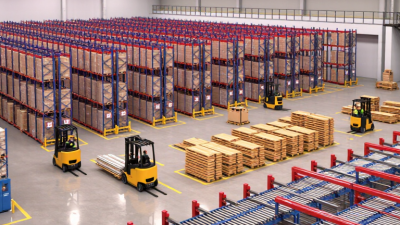
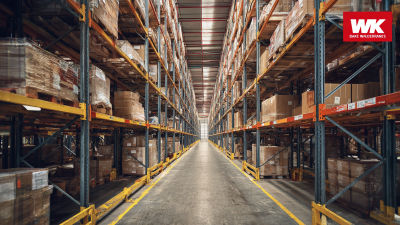
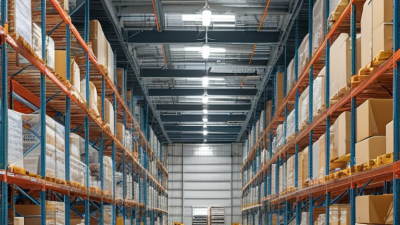
Selective pallet racks remain a practical choice for warehouses handling many different SKUs. Each pallet position has direct access, providing 100% SKU access without moving other loads. This arrangement supports faster picking and clearer stock checks. Most installations use two to five storage levels, depending on ceiling height, pallet weight, and equipment reach. Adjustable beams also make it easier to accommodate cartons, drums, or uneven pallet dimensions.
From field experience, clear aisle planning matters as much as rack height. A forklift needs enough turning space, especially near end frames and loading doors. Floor flatness, upright protection, and beam locking devices should receive careful inspection. However, selective racks are not the densest option. They consume more floor space than some high-density systems. That trade-off can be worthwhile when inventory changes frequently. Small mistakes in pallet labeling still create delays, even with excellent rack access.
Tips: Measure the tallest load, including wrapping and pallet boards. Keep a visible clearance below sprinklers, lights, and roof structures. Use load plaques that show beam capacity and level limits. Leave heavier pallets on lower levels when possible. Review actual picking routes after installation; a drawing may look efficient, but daily traffic can prove otherwise. Regular inspections should record bent uprights, loose components, and damaged pallets before they become serious concerns.
Push-Back and Pallet-Flow Racks: 2–6 Deep Lanes for Stock Rotation
Push-back and pallet-flow racks suit warehouses that need dense storage without sacrificing access. Both systems commonly use two to six pallet positions per lane. Push-back racks store pallets on nested carts, allowing last-in, first-out retrieval. They work well for reserve inventory, seasonal goods, and similar products.
Pallet-flow racks use inclined rollers and gravity to move pallets toward the picking face. This design supports first-in, first-out rotation. It is useful for dated goods, food packaging, and products requiring controlled aging. A 2024 MHI Annual Industry Report found that 88% of surveyed supply-chain professionals planned to increase technology investment within five years. Rack selection should support that direction, not block it. Clear lane identification and reliable inventory records still matter.
Depth creates a trade-off. Six-deep push-back lanes save floor space, but retrieval becomes less flexible. Operators may need to move several pallets before reaching the rear position. That can increase handling time and damage exposure. Two- or three-deep lanes often provide better control for faster-moving stock. I would not specify one depth from a layout drawing alone. Measure pallet weight, forklift reach, turnover, and daily replenishment patterns. Also check load beams, rail spacing, pallet condition, and aisle clearance. A 2023 report from the U.S. Bureau of Labor Statistics recorded 1,190 nonfatal occupational injuries per 100 full-time warehouse workers in transportation and warehousing. Safe rack use depends on trained operators, visible load limits, and routine inspections. Dense storage is valuable. Poor rotation is expensive.
Cantilever, Mobile, and AS/RS Racks: OSHA 1910.176 Compliance Factors
2026 Top Types of Warehouse Storage Racks for Buyers
Cantilever, mobile, and AS/RS racks create different OSHA 1910.176 compliance risks. OSHA requires stored materials to remain stable, secure, and free from hazards. A cantilever rack needs visible load ratings, level arms, and protection from forklift impact. Long steel bars can roll unexpectedly. That detail is often missed.
Mobile racks need a clear operating zone and reliable locking controls. Operators should confirm that adjacent units cannot move during loading. AS/RS racks require guarded access points, emergency stops, safe maintenance procedures, and controlled entry. OSHA 1910.176 does not approve a specific rack design. It sets practical storage and housekeeping duties. Engineering reviews should also consider applicable rack design standards and local fire requirements. MHI’s 2024 Annual Industry Report reported that 83% of supply-chain professionals expected increased technology investment over the following two years. That trend supports automation, but automation does not remove human risk.
Tips: Record each rack’s capacity beside the loading position. Inspect beams, arms, anchors, guards, and floor damage regularly. Keep aisles visibly clear. Train operators on unusual loads. Do not assume a new system is automatically compliant. The weakest control may be a rushed inspection, an unclear label, or a blocked emergency path. Consult a qualified engineer when loads, rack geometry, or automated movement changes.
2026 Top Warehouse Storage Rack Types: Typical Clear Aisle Planning Ranges
The chart compares representative clear-aisle planning ranges for cantilever, mobile, and AS/RS rack systems. These are common design ranges, not OSHA minimum dimensions. Under OSHA 1910.176, aisles and passageways must provide safe clearance and remain clear, while stored materials must be stable and secure.
Buyer note: Final aisle width depends on load dimensions, forklift turning radius, fire-protection clearances, building conditions, rack height, automation design, and the approved site safety plan. Verify the design against OSHA 29 CFR 1910.176 and applicable local fire and building requirements.