Best Circuit Breaker Distribution Panel for Your Needs?
Choosing the right Circuit Breaker Distribution Panel is crucial for your electrical setup. A reliable panel ensures safety and efficiency in power distribution. With many options available, it can be overwhelming to select the best one for your needs.
Assessing your specific requirements is important. Do you need extra capacity for future expansion? Is space a constraint in your installation area? These factors significantly influence your decision. Quality matters, and not all products are created equal. Look for panels that have proven reliability and positive user feedback.
Understanding the features of various Circuit Breaker Distribution Panels can help narrow down choices. Some panels offer more advanced safety features, while others may be more cost-effective. Reflecting on your unique situation can lead to informed decisions. It’s not just about meeting current demands, but also anticipating future needs. Therefore, careful consideration is essential to ensure you choose the right panel for your environment.
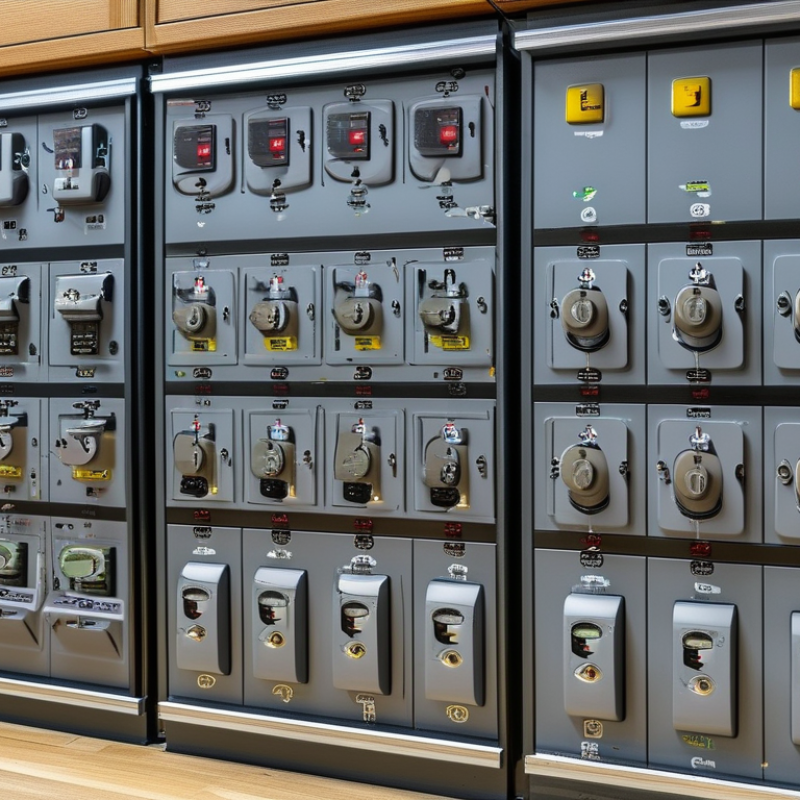
Understanding Circuit Breaker Distribution Panels
Understanding Circuit Breaker Distribution Panels is essential for any homeowner or business owner. These panels act like the nervous system of your electrical setup, controlling the flow of electricity. They house circuit breakers, which protect your wiring from overload and minimize fire risks. A crucial part of the installation is selecting the appropriate size and type of panel. An undersized panel can lead to frequent breaker tripping, while an oversized unit may be an unnecessary expense.
When choosing a distribution panel, consider your energy needs. This means evaluating all electrical appliances you plan to use. If you have high-demand devices like HVAC systems, you’ll need a larger panel. Additionally, think about future expansion. It’s wise to leave space for additional circuits if you plan to upgrade later.
Maintenance of these panels is equally important. Regular inspections help identify wear and tear or potential issues. Dust and corrosion can accumulate, leading to performance problems. Electrical work can be complex and should be approached with caution. It’s important to consult with a professional for installation and maintenance. Mistakes can lead to safety hazards, impacting both life and property.
Best Circuit Breaker Distribution Panel for Your Needs
| Panel Type | Breaker Capacity | Number of Circuits | Voltage Rating | Material | Price Range |
| Main Breaker Panel | 100 Amps | 12 | 120/240V | Steel | $100 - $200 |
| Subpanel | 60 Amps | 8 | 120/240V | Aluminum | $50 - $150 |
| Smart Circuit Panel | 200 Amps | 20 | 120/240V | Plastic | $300 - $600 |
| Transfer Switch Panel | 150 Amps | 10 | 120/240V | Steel | $200 - $400 |
| Load Center | 125 Amps | 14 | 120/240V | Plastic | $80 - $180 |
Key Features to Consider When Choosing a Distribution Panel
Choosing the right circuit breaker distribution panel involves assessing key features. One vital aspect is the panel's amperage rating. This should meet or exceed your home’s electrical load. A mismatch can lead to outages or risks. Look for panels that offer a range of amperage options. Flexibility in capacity is crucial as your electrical needs may change over time.
Another essential feature is the number of circuits available in the panel. Consider how many devices and systems you plan to connect. More circuits offer better organization and reduced load on each breaker. Safety switches are also important. They protect against electrical faults and help prevent fires. Investing in advanced safety features adds peace of mind.
Lastly, don’t overlook the panel’s construction quality. A sturdy design prolongs the lifespan of the panel. Budget options may seem tempting, but they often lack durability. It's worth reflecting on your future needs. Opting for higher-quality materials now can save you time and money later. Assessing these features ensures you make the best decision for your electrical distribution needs.
Types of Circuit Breaker Distribution Panels Available on the Market
When selecting a circuit breaker distribution panel, it’s vital to understand the types available. Residential panels are commonly used in homes. They provide essential protection for your electrical appliances. These panels can vary in capacity, typically ranging from 100 to 400 amps. Choosing the right size is crucial to prevent overloads and potential hazards.
Commercial panels, on the other hand, are designed for bigger applications. They offer more circuits and advanced features. These panels are built to handle higher loads, which is essential for businesses. Some options include sub-panels that allow for easier organization of circuits.
Moreover, understanding types such as Main breaker panels and Main lug panels is essential. Main breaker panels include a single switch for the entire distribution. Main lug panels do not have this feature, requiring more careful management of breakers. Such choices require careful consideration. Are they appropriate for your specific needs? Reflecting on personal requirements and future needs can help avoid costly mistakes.
How to Determine the Right Size for Your Circuit Breaker Panel
When choosing a circuit breaker panel, size matters significantly. A panel that is too small can lead to circuit overloads, resulting in potential hazards. Conversely, an oversized panel might seem convenient but can waste resources. Ideally, your panel should accommodate your current electrical needs, plus allow for future expansions.
To accurately determine the right size, calculate your total electrical load. This includes all devices, appliances, and lighting fixtures in your home. Consider the wattage and amperage requirements of each. Use these figures to find your total amperage load. Generally, a household panel should have a capacity of at least 100 amps. If your needs are larger due to home office equipment or increased technology use, you may need a higher capacity.
Be mindful of local codes and regulations affecting panel size. It’s also wise to consult with a licensed electrician. They can offer insights tailored to your situation. Proper sizing of your circuit breaker panel can enhance safety and efficiency in your home’s electrical system. Planning for future growth today can save you trouble down the road.
Best Circuit Breaker Distribution Panel for Your Needs
This chart represents the recommended circuit breaker panel sizes based on common household and commercial electrical needs. The data indicates the number of circuits typically used for various appliances and devices.
Installation and Maintenance Tips for Circuit Breaker Distribution Panels
Installing a circuit breaker distribution panel requires careful planning. Begin by selecting the right location. The area should be dry and easily accessible. Avoid cramped spaces. This choice ensures safety and ease of maintenance. Ensure the panel is mounted securely to a wall. Use proper anchors to prevent damage.
When it comes to wiring, follow all local codes. Clear labeling of each circuit is essential. It saves time during maintenance or troubleshooting. Use high-quality connectors. Poor connections can lead to overheating. Regularly check for signs of wear or damage. Replace any faulty components immediately.
Maintenance is crucial for longevity. Schedule periodic inspections, at least once a year. Dust and debris can accumulate over time. Use a vacuum to remove dirt from the panel. Inspect breakers for tripping issues too. A circuit breaker that frequently trips may indicate a deeper problem. Address these issues promptly to ensure safety and reliability.