10 Best Hotel Bar Soap Suppliers for Global Buyers
Choosing the right hotel bar soap supplier is more than comparing prices. It affects guest comfort, housekeeping routines, brand image, and procurement risk. A compact 30-gram soap may look simple, yet its formula, wrapper, scent, and shelf life require careful evaluation. Hotel buyers must also examine production capacity, minimum order quantities, export experience, and delivery consistency.
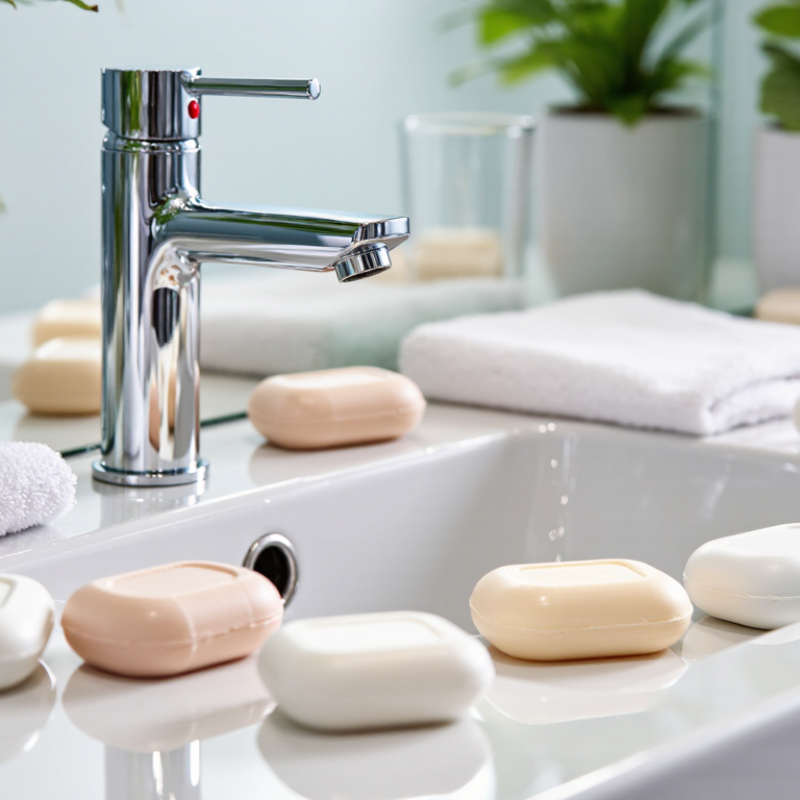
Hospitality analyst Bjorn Hanson has emphasized that “small details can shape the guest experience.” This principle fits hotel bar soap closely. Guests notice whether the soap feels creamy, rinses cleanly, or leaves an overly strong fragrance. A cracked wrapper beside a white ceramic sink can also weaken a hotel’s impression. Small details matter.
This guide reviews ten hotel bar soap suppliers serving global buyers. It considers private-label capability, vegetable-based formulas, fragrance options, packaging quality, certifications, and regional logistics. Suppliers with transparent ingredient information deserve greater trust. Clear factory documentation matters too. Buyers should request samples before approving a large order. A formula that works in a European resort may feel unsuitable in a humid tropical property.
Cost remains important, but the lowest quotation may hide longer lead times or weaker quality control. That risk deserves attention. Some comparisons may also depend on incomplete public information, especially for private manufacturers. Buyers should confirm current certifications, testing records, production timelines, and shipping terms directly. This article offers a practical starting point, not a substitute for supplier audits. The best choice balances guest experience, operational reliability, environmental expectations, and realistic purchasing conditions.
What Hotel Bar Soap Suppliers Offer Global Hospitality Buyers
What Hotel Bar Soap Suppliers Offer Global Hospitality Buyers
Global hotel demand is expanding again. UN Tourism reported about 1.4 billion international arrivals in 2024, reaching 99% of 2019 levels. This recovery increases pressure on purchasing teams. Hotel bar soap suppliers now offer more than basic cleansing products. They provide compact 15–40 gram bars, refill programs, guest-room packaging, and multilingual labels. Some also support custom molds and fragrance testing. Small details matter. A soap bar that becomes slippery quickly can create waste and poor guest feedback.
Professional suppliers should provide ingredient documentation, safety data, batch tracking, and stable production schedules. Buyers serving several countries must check cosmetic rules in each destination. Ingredient restrictions, language requirements, and packaging standards can differ. Suppliers with ISO-based quality systems and responsible sourcing records usually offer stronger purchasing evidence. However, certificates alone do not guarantee consistent performance. I would request production samples from different batches.
Sustainability is becoming a purchasing factor, not just a marketing phrase. The World Travel & Tourism Council reported that travel and tourism contributed approximately 9.1 trillion dollars to the global economy in 2023. At that scale, packaging choices become significant. Suppliers may offer paper wraps, recycled cartons, palm-oil-free formulas, or soap made with lower-impact ingredients. Yet “eco-friendly” claims can remain vague. Buyers should ask for recycled-content percentages, testing records, minimum order quantities, lead times, and full delivered costs. The cheapest unit price may hide expensive freight, damaged cartons, or inconsistent supply.
Key Criteria for Evaluating Hotel Bar Soap Manufacturers
Evaluating hotel bar soap manufacturers requires more than comparing price lists. Start with safety. Request the full ingredient list, allergen declaration, microbial test results, and product stability data. Reliable manufacturers should explain their quality system clearly and provide current certifications, batch records, and traceability procedures. A factory that avoids specific answers deserves closer attention.
Assess production capability against your operating needs. Check minimum order quantities, mold options, fragrance limits, wrapping materials, and lead times. Ask for samples from regular production, not only a specially prepared showroom batch. Examine the soap after repeated use: Does it become slippery, crack, or leave heavy residue on a bathroom tray? Small details matter. Packaging should protect each bar from humidity while supporting your sustainability requirements.
Review communication and export readiness as carefully as the formula. Manufacturers should provide consistent technical documents, shipping information, and clear responses when specifications change. Independent laboratory testing can verify claims about skin mildness, biodegradability, or shelf life. Do not rely on attractive wording alone. A low unit cost may hide weak packaging, inconsistent weight, or delayed replenishment. Even experienced buyers can overlook seasonal capacity pressures. That is worth questioning. A practical supplier evaluation should include sample approval, a written quality agreement, corrective-action procedures, and a realistic review of customer feedback. Trust is tested over several shipments, not one successful sample.
Ten Leading Hotel Bar Soap Suppliers for International Procurement
International hotel procurement is shifting toward reliable, traceable bar soap supply. UN Tourism reported that international arrivals recovered to about 99% of 2019 levels in 2024. That recovery increases pressure on housekeeping teams, especially across multi-property operations. A useful shortlist covers ten leading supplier profiles: global amenity manufacturers, regional soap specialists, private-label producers, certified natural soap makers, hotel-size molding experts, refill-system suppliers, recycled-packaging converters, low-MOQ exporters, fragrance-free manufacturers, and logistics-integrated distributors.
Grand View Research identifies sustainability and premium guest care as important growth drivers in the hotel toiletries market. Buyers should therefore compare soap weight, drying time, carton protection, ingredient disclosure, and production capacity. The strongest suppliers provide batch records, safety documentation, sample approvals, and stable lead-time data. Ask for evidence. Marketing language is not evidence. Packaging also matters; damp cartons can damage an otherwise acceptable shipment.
The ten leading suppliers should be tested against practical hotel conditions, not only laboratory claims. A 25-gram bar may suit short stays, while a 40-gram bar can reduce replacement frequency in larger rooms. Procurement teams should inspect fragrance consistency, wrapper seals, pallet strength, and customs paperwork. Eco claims deserve careful review, too. I would avoid choosing on price alone. A cheaper bar may dissolve quickly, increase waste, and create guest complaints. No supplier is perfect, and even a strong audit can miss seasonal capacity problems.
Comparing Product Quality, Customization, Pricing, and Certifications
Global hotel soap buyers should compare suppliers beyond the catalog photograph. Grand View Research’s 2024 assessment places the hotel toiletries market on a growth path of roughly 6% annually through 2030. That growth increases choice, but not necessarily consistency.
Ask for recent batch records, soap weight tolerance, pH results, fragrance stability, and microbial test reports. A clean sample is not enough. Inspect three production batches when possible.
Customization affects both guest experience and cost. Suppliers may adjust fragrance, color, embossing, wrapper material, carton size, and individual amenity sets. Yet every change can increase tooling fees, minimum order quantities, and lead times.
Confirm whether artwork, molds, and packaging plates are included in the quotation. Pricing should show product cost, packaging, inspection, freight terms, and replacement policy. The cheapest unit price can become expensive after secondary packaging and rejected cartons.
Certifications deserve careful verification. Request valid ISO 9001 and ISO 22716 documents, where relevant, and check their issuing bodies, scope, factory address, and expiration dates.
A certification logo alone proves little. Reports from the International Organization for Standardization emphasize documented quality systems, but certificates do not replace finished-product testing.
Supplier scorecards should weigh quality, customization, landed price, delivery history, and corrective-action speed. My practical concern is simple: buyers often overvalue appearance and undervalue traceability. That mistake is easy to repeat.
How to Select and Purchase Hotel Bar Soap from Global Suppliers
Selecting hotel bar soap from global suppliers requires more than comparing unit prices. Start with guest expectations, property standards, and destination regulations. Decide the soap size, shape, fragrance, color, wrapping, and formula before requesting quotations. A 15-gram bar may suit short stays, while a 30-gram bar feels better in upscale rooms. Ask suppliers for ingredient lists, safety documents, production details, and recent quality records. Samples matter. A bar can look attractive but soften quickly beside a wet sink.
Evaluate suppliers through a documented purchasing process. Check their minimum order quantity, lead time, packaging options, payment terms, and export experience. Confirm whether they can maintain consistent fragrance, weight, color, and stamping across repeated orders. Request a pre-production sample and approve written specifications before manufacturing begins. Independent testing may help verify skin-safety claims and material compliance in your target market. Do not rely only on polished catalogs. I have seen attractive samples hide weak packaging and uneven cutting.
Tips: Compare at least three qualified suppliers using the same specification sheet. Test bars in warm, humid bathrooms for seven days. Measure weight loss, lather, scent retention, and wrapper durability. Keep photographs and inspection notes. Ask about backup raw-material sources. A low price may become expensive after delays, damaged cartons, or guest complaints. Also review sustainability claims carefully; vague wording deserves questions. Suppliers should explain recycled content, paper sources, and disposal guidance with evidence.