How to Choose the Best Padel Shooting Machine?
Choosing the right Padel Shooting Machine can change how players practice, especially when court time is limited. A useful machine should reproduce realistic shots, not simply launch balls at maximum speed. Coaches and players need to examine pace, spin, elevation, frequency, ball capacity, and randomization settings. These details influence whether training feels purposeful or repetitive.
A practical evaluation starts on the court. Test how quickly the machine adjusts between forehand, backhand, lob, and volley drills. Observe its stability when placed on uneven ground. Check whether the remote control works reliably from the baseline. Battery life also matters during long sessions. A machine that stops after thirty minutes can disrupt a carefully planned workout. Portability matters too. Handles, wheels, and total weight affect daily use.
Specifications alone are not enough. Compare the manufacturer’s instructions, warranty terms, service support, and independent user feedback. Look for clear information about charging, maintenance, compatible balls, and replacement parts. Some machines appear powerful but offer limited control. Others provide many settings that players rarely use. That is easy to overlook. This guide will examine these practical differences and explain which features deserve priority for beginners, coaches, clubs, and advanced players. It will also acknowledge an important limitation: no machine perfectly replaces a live opponent. Human decisions remain unpredictable. Still, the right equipment can create consistent repetitions, measurable progress, and more focused practice. The best choice depends on training goals, budget, court access, and the player’s willingness to adjust settings over time.
What Is a Padel Shooting Machine and How Does It Work?
How to Choose the Best Padel Shooting Machine?
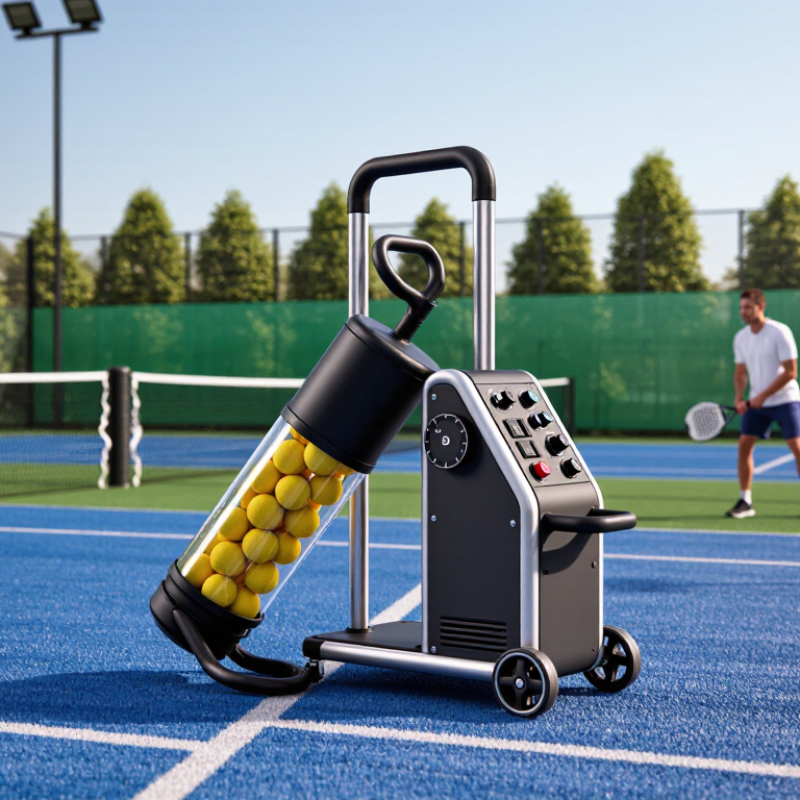
A padel shooting machine is a training device that launches balls at controlled speeds, angles, and intervals. It replaces a feeding partner during repetitive practice sessions. Most machines use rotating wheels or compressed air to propel each ball. A motor controls the launch speed, while an internal feeder releases balls one at a time. The player can adjust direction, height, frequency, and spin to recreate common padel situations.
The ball travels through a short launch channel. Two spinning wheels can create topspin, backspin, or a flatter shot when their speeds change. Some models move from side to side, forcing the player to recover after each stroke. This movement matters. Padel depends on positioning, wall rebounds, and quick decisions, not only powerful hitting. A useful machine should offer stable feeding, clear controls, and enough capacity for a full drill. It should also allow gradual speed changes, because beginners need control before intensity.
Watch the rebound.
In real training, I would test the machine with standard padel balls first. Wet, worn, or mismatched balls may produce inconsistent shots and hide equipment problems. A machine can improve timing, footwork, volleys, and defensive reactions, but it cannot read the court like a human partner. That limitation deserves attention. Players still need live rallies to practice communication, tactics, and unpredictable wall bounces. When comparing machines, examine noise, transport weight, battery performance, and cleaning access. Small weaknesses become obvious after repeated sessions.
Which Training Goals Should Guide Your Machine Choice?
How to Choose the Best Padel Shooting Machine?
Your training goal should determine the machine, not its appearance or maximum speed. The FIP Global Padel Report 2024 estimates more than 30 million padel players worldwide. That growth creates many players, but not everyone needs professional-level settings. Beginners should prioritise adjustable speed, gentle feeds, and simple controls. These features build contact quality and reduce rushed swings.
Players seeking consistency need programmable repetition. A machine should deliver the same ball repeatedly to the forehand, backhand, volley, or overhead zone. For reaction training, choose random direction, variable speed, and adjustable frequency. Match-focused players need mixed sequences, including deep lobs, low volleys, and balls directed toward the middle. The Playtomic and Strategy& Global Padel Report 2024 identifies improved court availability and wider participation as major growth factors. More competition may make realistic practice increasingly valuable. Still, random feeding alone does not create match intelligence. I sometimes overvalue speed and forget decision-making.
Tips: Test the machine with your own racket before buying. Check whether it can reproduce your common mistakes. A narrow feed pattern may expose poor footwork better than extreme speed. For overhead training, confirm elevation and lob depth. For endurance, inspect ball capacity and battery life. If training alone, a remote control helps maintain rhythm. Also consider noise, storage space, and transport weight. The best machine is the one you will use consistently, even on an ordinary weekday.
How to Compare Speed, Spin, Feed, and Placement Controls
How to Choose the Best Padel Shooting Machine?
When I test a padel shooting machine, I measure control before maximum speed. A useful machine should offer several speed levels, stable ball launches, and repeatable settings. The FIP World Padel Report 2024 estimates more than 25 million padel players worldwide. That scale makes consistent training increasingly important. A fast feed looks impressive. It may not improve timing. Choose a machine that matches your level, from gentle defensive balls to demanding overheads.
Spin deserves separate attention. Look for topspin, backspin, and neutral-feed options. Watch the ball after one bounce. Does it rise sharply, skid low, or lose pace? Placement control matters even more. The machine should target corners, the middle, and different depths. Random oscillation can recreate match pressure, but excessive randomness may hide technical errors. I still prefer structured drills before unpredictable patterns.
Feed control shapes the training rhythm. Adjustable intervals, ball capacity, and pause functions help you practise volleys, lobs, and recovery steps. A two-second feed demands quick reactions, while a six-second interval supports technical correction. The Playtomic-Deloitte Global Padel Report 2024 identifies rapid court expansion as a major development trend. More players need measurable practice, not merely more balls. Use phone video or a radar when possible. Built-in speed displays can be optimistic. I learned that the hard way. Compare actual landing zones, rebound height, and error frequency across sessions.
How to Evaluate Costs, Maintenance, and Overall Value
Choosing a padel shooting machine starts with its real cost, not the price on the screen. A cheaper unit may need frequent repairs, replacement balls, or a second battery. Calculate the purchase price, delivery, warranty coverage, and expected service fees. A simple spreadsheet helps. Include your court time.
For regular training, examine battery life, charging time, and ball capacity. A machine that stops after forty minutes can interrupt useful practice. Check whether the wheels handle sand, dust, and uneven court surfaces. Inspect the launcher opening and control panel for easy cleaning. Removable parts matter because felt and grit collect quickly. Ask how calibration is performed and whether spare components are available locally. Reliable technical support can be worth more than a small discount.
Overall value depends on usage, durability, and training quality. A coach using the machine five days weekly may justify a stronger frame and longer warranty. A casual player may prefer lighter transport and fewer settings. Test the machine before buying, if possible. Listen for irregular motor sounds. Watch the ball feed for delays. My first cost estimate would be too optimistic if I ignored downtime. That is an important weakness in many comparisons. Features look impressive, but consistent delivery matters more during a sweaty evening session. Record maintenance time for several months, then compare it with the training hours gained.