Why Choose YBM(P) New-Energy Integrated Substation for Your Project?
In an era where renewable energy is gaining traction, the demand for reliable infrastructure is paramount. The YBM(P) New-Energy Integrated Substation emerges as a frontrunner in this landscape. According to a recent report by the International Energy Agency (IEA), global investment in renewable energy climbed to $300 billion in 2022. This highlights the urgent need for modern substations that can efficiently manage this influx of energy.
The YBM(P) New-Energy Integrated Substation is designed to meet this challenge. It integrates advanced technology and sustainable practices to optimize energy distribution. Features such as real-time monitoring and automated control systems enhance its reliability. However, the implementation of such solutions may not be without hurdles. The transition requires significant capital and expertise.
Furthermore, the evolving regulatory frameworks can complicate the choice of infrastructure. Companies must navigate these complexities when selecting a substation. Despite these challenges, the YBM(P) New-Energy Integrated Substation stands out for its commitment to efficiency and innovation. This positions it as a wise choice for projects aiming for sustainability and resilience in the energy sector.
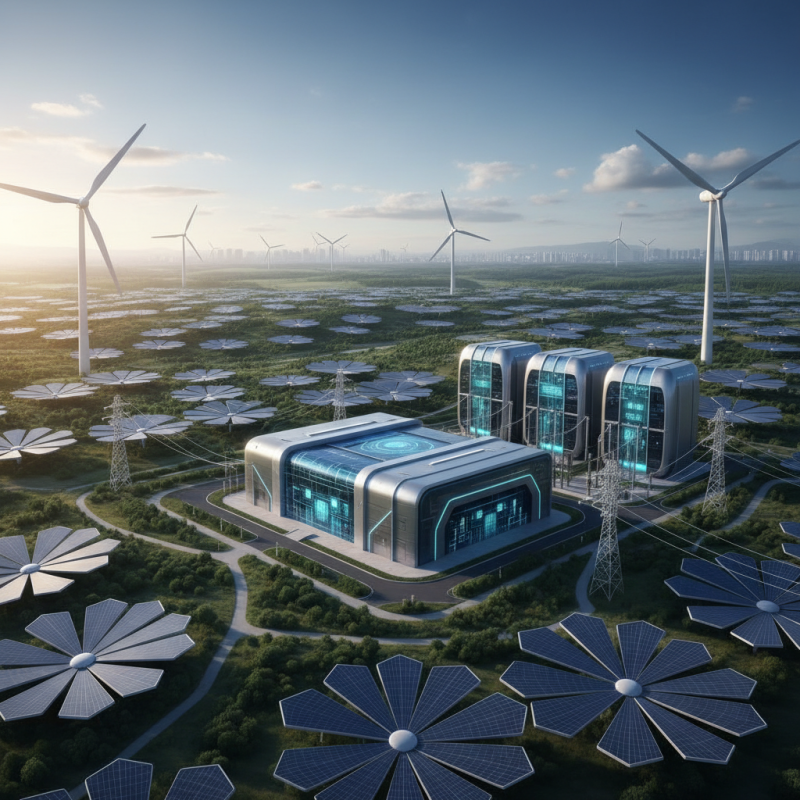
Overview of YBM(P) New-Energy Integrated Substation Technology
The YBM(P) New-Energy Integrated Substation technology represents a significant advancement in energy management. This system is designed to optimize energy distribution, reduce losses, and integrate renewable sources efficiently. It brings together power conversion, storage, and distribution in one cohesive unit. This integration minimizes the need for separate infrastructures, saving space and resources.
One noteworthy feature is its modular design. This allows for easy scalability according to project requirements. The substation adapts to varying load conditions without sacrificing performance. Experts emphasize the importance of flexibility in energy systems today. With fluctuating energy demands, a responsive solution is vital for sustainability.
While the technology promises higher efficiency, it’s not without its challenges. Initial costs can be a barrier for some projects. Additionally, proper implementation requires skilled professionals familiar with this innovative approach. Missteps in installation or maintenance could lead to inefficiencies. Reflecting on past deployments reveals a need for continual improvement in these areas. Overall, the YBM(P) technology holds significant potential but demands careful consideration and expertise.
Key Benefits of Using YBM(P) Integrated Substation Solutions
The adoption of integrated substations is transformative for energy projects. YBM(P) new-energy integrated substations provide practical benefits, particularly for renewable energy applications. A report from the International Renewable Energy Agency (IRENA) indicates that integrated solutions can reduce operational costs by up to 15%. This efficiency stems from streamlined infrastructure and reduced land usage.
By utilizing smart technology, these substations can enhance performance and reliability. They can optimize energy distribution and minimize downtime. The U.S. Department of Energy highlights that better grid management systems can lead to a 25% increase in efficiency. However, the integration process can pose challenges. Companies must evaluate site-specific conditions and energy needs carefully.
Investing in integrated substation solutions also yields scalability. As projects grow, the system can adapt without extensive additional infrastructure. Yet, the potential for technological obsolescence exists. Regular updates are crucial to maintaining efficiency and compliance. Addressing these nuances can lead to robust energy solutions that meet evolving demands.
Comparative Analysis: YBM(P) vs. Traditional Substations
When comparing YBM(P) new-energy integrated substations with traditional options, several factors shine through. One major point is their design. YBM(P) substations are more compact, allowing for easier installation in tight urban environments. They also integrate renewable energy sources, promoting sustainability. Traditional substations, while reliable, often require more land and do not capitalize on green technologies.
Efficiency is another area where YBM(P) outperforms its traditional counterparts. These integrated solutions come with advanced monitoring systems. This tech allows for quick adjustments and maintenance, reducing downtime. Traditional substations can suffer from longer response times due to their larger and more complex setups. However, the transition to YBM(P) may require adaptation in operational procedures that some teams could find challenging.
Lastly, cost implications vary significantly. While YBM(P) substations can have higher upfront costs, they often yield savings in operational and maintenance aspects over time. Traditional substations might seem cheaper initially, but hidden costs can add up. Organizations must carefully weigh these factors, keeping in mind the long-term environmental and operational goals they aim to achieve.
YBM(P) Substation Features Supporting Sustainable Energy Projects
When it comes to sustainable energy projects, integrated substations play a crucial role. The YBM(P) New-Energy Integrated Substation stands out with its innovative features. This substation seamlessly integrates renewable energy sources. It enhances grid reliability while minimizing carbon footprints. The design prioritizes efficiency and durability, ensuring long-term performance.
One notable feature is the advanced energy management system. This system optimizes energy flow and storage. It allows for real-time monitoring and adjustments. Such capabilities are vital in rapidly changing energy markets. Another important aspect is its modular design. This flexibility enables easy upgrades as technology evolves. However, installing such systems requires careful planning. Stakeholders must consider location and environmental impact.
Sustainability is not just a goal; it’s a necessity. The YBM(P) substation supports various renewable sources, including solar and wind. It contributes to energy independence and lowers dependency on fossil fuels. While the benefits are clear, there are challenges. Effectively managing maintenance and integration can be complex. Each project demands a tailored approach, reflecting unique conditions and requirements.
Case Studies: Successful Implementations of YBM(P) Substations
In recent years, energy demands have surged globally, prompting innovative solutions in power distribution. A significant case study highlights the successful deployment of integrated substations. In one urban project, an integrated substation reduced energy loss by 20%, demonstrating both efficiency and reliability.
Another example showcases a rural implementation, where a new-energy substation enabled renewable integration. This not only contributed to a 30% carbon footprint reduction but also enhanced local energy resilience. The local government reported improved grid stability, which is crucial for future developments.
These instances reveal the essential role of modern substations in adapting to energy needs. Despite these successes, challenges remain, particularly around scalability and grid compatibility. Ongoing research is essential to address these hurdles and ensure future projects can replicate these benefits effectively.