How to Choose the Best Small Cement Mixer for Concrete?
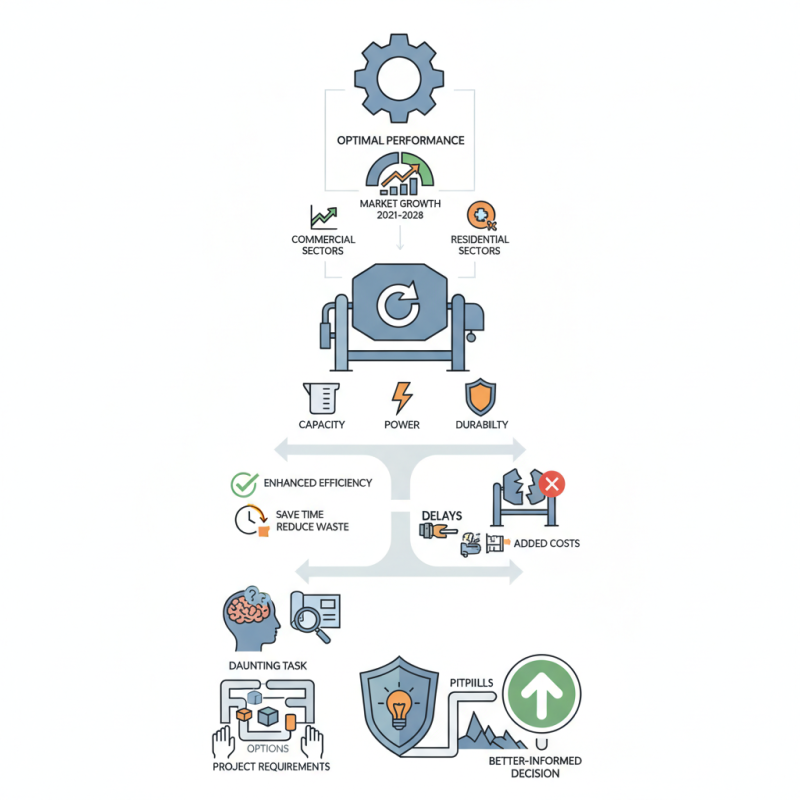
When selecting a Small Cement Mixer for Concrete, it is vital to consider various aspects to ensure optimal performance. The global concrete mixer market is projected to grow at a CAGR of 4.5% between 2021 and 2028, according to a recent report by ResearchAndMarkets. This growth highlights the increasing demand for effective mixing equipment in both commercial and residential sectors.
A suitable small cement mixer can significantly enhance project efficiency. A well-chosen mixer can save time and reduce material waste. However, not all mixers are created equal. It is essential to evaluate the capacity, power, and durability of the mixer you plan to purchase. Although many models are available, some may not withstand rigorous use over time, causing potential delays and added costs.
Ultimately, choosing the right small cement mixer for concrete can be a daunting task. It requires careful consideration of your specific needs and project requirements. Users often face challenges in navigating options that meet their expectations. Being aware of the common pitfalls and limitations can aid in making a better-informed decision.
Understanding the Different Types of Small Cement Mixers Available Today
When selecting a small cement mixer, understanding the different types available is crucial. There are two main categories: electric and gas-powered mixers. Electric mixers are quieter and often easier to maintain. They are ideal for smaller projects and residential use. Gas-powered mixers, while louder, provide more power for larger jobs. They are suitable for construction sites that need durability.
Another aspect to consider is the drum size. Smaller mixers typically have drum capacities ranging from 2 to 3 cubic feet. This size is practical for small projects like patios and driveways. However, a larger drum can save time if you frequently mix large batches. Users often struggle with balancing capacity and usability. Finding the right size may require some trial and error.
Portability is also a vital factor. Some mixers are easier to move than others. Look for models with sturdy wheels and a lightweight frame. This makes transport much simpler. Keep in mind your workspace layout. You may need to maneuver around narrow areas or steps, so a compact unit can be an asset. Ultimately, research and hands-on testing guide effective choices in small cement mixers.
Key Specifications to Consider When Selecting a Small Cement Mixer
When selecting a small cement mixer, several key specifications warrant careful consideration. One crucial factor is capacity. Choose a size that suits your project's needs. A typical small mixer can blend 2 to 3 cubic feet of concrete. However, for larger projects, consider mixers with a greater capacity. The size affects not only how much concrete you can make but also how often you need to refill.
Another important aspect is power source. Small cement mixers generally come in electric or gas models. Electric mixers are quieter and often more reliable for indoor use. Gas models offer mobility and can handle tougher conditions. But, they require more maintenance. Think about where you'll use the mixer and choose the power source accordingly.
Durability is equally vital. Look for a sturdy frame and high-quality mixing paddles. Check for customer reviews about long-term performance. Many mixers may work well at first but could fail under heavy use. Assess how often you plan to use the mixer and the materials you'll utilize. This helps in selecting a model that meets your long-term needs.
Concrete Mixers Comparison: Key Specifications
Assessing Mixing Capacity: How Much Concrete Can You Make at Once?
When choosing a small cement mixer, assessing its mixing capacity is crucial. The amount of concrete you can create at one time depends on the mixer’s size and design. Generally, smaller mixers have a capacity ranging from 2 to 4 cubic feet. This capacity determines how many bags of concrete mix you can use in a single batch.
Tips: Always check the manufacturer’s guidelines. They provide vital information on the volume each mixer can handle effectively. Overloading your mixer can lead to uneven mixtures or even damage. Consider your project scale before selecting a mixer size.
It's essential to evaluate your specific needs. Are you working on small home projects or larger constructions? A mini mixer might suffice for garden paths, while larger tasks might require something bigger. Understand your working area as well. If space is limited, a compact design is preferable.
Tips: Measure your available space before purchasing. Also, consider ease of transportation. A lightweight mixer can simplify moving it around your site. Finally, remember that practice improves your mixing skills. Don’t hesitate to make adjustments based on results.
How to Choose the Best Small Cement Mixer for Concrete? - Assessing Mixing Capacity: How Much Concrete Can You Make at Once?
| Mixer Model | Mixing Capacity (Cubic Feet) | Power (Watts) | Weight (lbs) | Price Range ($) |
| Model A | 2 | 750 | 80 | 200 - 250 |
| Model B | 3 | 900 | 85 | 250 - 300 |
| Model C | 4 | 1200 | 90 | 300 - 350 |
| Model D | 5 | 1500 | 95 | 350 - 400 |
Evaluating Durability and Maintenance Requirements of Cement Mixers
When selecting a small cement mixer, durability and maintenance are critical factors. An extensive industry report reveals that 45% of users prioritize longevity when investing in construction equipment. Investing in a mixer that withstands wear can save costs over time. Materials such as high-grade steel provide better resistance to rust and corrosion, which enhances lifespan.
Maintenance requirements often dictate the ease of use. Mixers with fewer moving parts generally require less upkeep. For instance, a report from the Construction Equipment Association indicates that mixers with sealed bearings can reduce maintenance needs by approximately 30%. Yet, many users overlook the importance of regular cleaning. Neglecting this simple task can significantly affect performance and lead to expensive repairs.
Consider the accessibility of spare parts. Many small mixers face issues when parts become scarce. This can lead to longer downtime. Users should frequently assess their mixers for wear and tear. Constant vigilance helps in addressing minor issues before they escalate. Choosing wisely based on durability and maintenance can create a smoother experience on the job site.
Analyzing Cost-Effectiveness: Initial Investment vs. Long-Term Use
When selecting a small cement mixer for concrete, cost-effectiveness often comes into play. The initial investment can be significant. Prices vary widely based on capacity and features. A lower-priced mixer may seem appealing. However, think about longevity and maintenance. Cheaper models may wear out faster. This could lead to higher long-term costs.
Consider your usage frequency. If you plan to use the mixer often, investing in quality pays off. A durable mixer might have a higher price tag but can be more reliable. Look for features that enhance usability, like adjustable speed or easy cleaning. This can save time and effort in the long run.
Reflect on your specific needs and budget. A small, underpowered mixer might suffice for occasional jobs. Yet, frequent projects may require a more robust option. Adjusting your choice based on future tasks is essential. Making a thoughtful decision now can prevent regrets later. Economic considerations should shape your choice, balancing cost with practical effectiveness.