How to Choose the Best Welding Protection Gear for Safety?
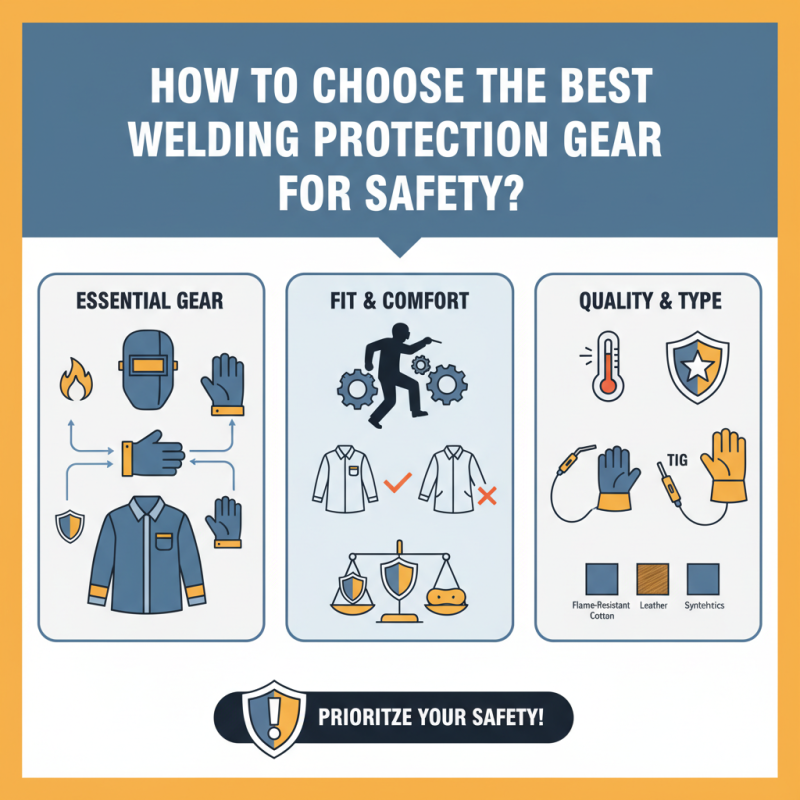
Choosing the right Welding Protection gear is crucial for safety. Welders face various hazards, including burns, fumes, and sparks. The right equipment can significantly reduce these risks. Proper welding protection includes a helmet, gloves, and protective clothing. Each piece has a specific function.
Many welders overlook the importance of fit and comfort. Ill-fitting gear can hinder movement, causing accidents. It's essential to find a balance between safety and comfort. Welders should be aware that not all gear offers the same level of protection. Quality matters; cheap gear may not withstand the heat.
Reflect on your needs when selecting welding protection. Consider the type of welding you will be doing. Different processes require different gear. Investigate materials and ratings. Sometimes, the right choice is not obvious, leading to potential risks. Prioritize your safety by being diligent in your selection process.
Understanding the Importance of Welding Protection Gear in Safety Protocols
Welding is vital in various industries, but it comes with risks. Protection gear is essential for safety. Statistics show that around 50% of welding injuries are caused by exposure to harmful fumes. Without proper gear, welders are vulnerable to serious health issues.
The right welding protection gear includes helmets, gloves, and clothing. A report by the Occupational Safety and Health Administration (OSHA) states that 40% of workers do not use adequate protective gear. This lack of compliance can lead to severe consequences. Burns and eye injuries can dramatically affect a welder's career and quality of life.
Not every piece of gear is created equal. Comfort and durability matter. If a welder feels restricted, they might remove their gear during tasks. This leads to increased risks. Sadly, accidents often serve as reminders of the importance of proper protection. Workers need better training on the significance of using welding safety equipment regularly. Risk awareness should be part of every welding job.
Key Types of Welding Protection Gear and Their Specific Functions
Welding protection gear is crucial for safety. Each type serves a unique function. For example, helmets protect the face and eyes from harmful rays and sparks. A good helmet has a flip-front visor for convenience. Some welding jobs produce bright light. If the helmet is inadequate, workers risk severe eye damage.
Protective gloves are equally important. They shield hands from heat and sharp objects. Gloves should fit snugly without restricting movement. Sweat can make them slippery. An ill-fitting glove may lead to accidents. Leather gloves are often preferred for their durability.
Protective clothing, like jackets and aprons, also plays a vital role. Welders need clothing that resists flame and spatter. Fabrics like cotton blended with other materials are common. However, be cautious; not all fabrics offer the same level of protection. Clothes can easily ignite. Choose wisely based on the welding process. Remember, inadequate protection can lead to serious injuries.
How to Choose the Best Welding Protection Gear for Safety? - Key Types of Welding Protection Gear and Their Specific Functions
| Type of Gear | Specific Function | Material | Recommended Use |
| Welding Helmet | Protects eyes and face from arc flash, sparks, and heat. | Polycarbonate, fiberglass | All types of welding |
| Welding Gloves | Protects hands from heat, sparks, and cuts while providing dexterity. | Leather, Kevlar | MIG, TIG, and stick welding |
| Welding Jacket | Protects upper body from sparks, spatter, and heat. | Leather, flame-resistant cotton | All types of welding |
| Safety Shoes | Protect feet from heavy materials, molten metal, and slipping. | Steel toe, rubber sole | General workshop and site safety |
| Face Shield | Provides additional protection for the face against sparks. | Polycarbonate | Used with other protective gear |
Evaluating Material Standards: Certifications for High-Quality Welding Gear
Choosing the right welding protection gear is crucial for safety. Understanding certifications can help identify high-quality options. Look for materials that meet industry standards. These certifications ensure the gear can withstand intense heat and sparks.
Certifications such as ANSI and ISO indicate high levels of safety. When selecting gear, check for labels that confirm compliance with these standards. Do not overlook the importance of proper fit and comfort; ill-fitting gear can lead to accidents.
You might think all gear is the same, but that’s not true. Cheap materials can degrade quickly, leaving you vulnerable. It’s essential to weigh cost against safety. Reflect on past incidents; how could better gear have prevented them? These considerations can guide your decisions.
Guidelines for Selecting Welding Helmets: Arc Rating and Lens Shade
Choosing welding helmets is crucial for safety during projects. One key factor to consider is the arc rating. This rating indicates the helmet’s ability to protect against heat and light from the welding arc. Higher ratings usually mean better protection. However, not all helmets are created equal. Some may claim high ratings but fall short in real scenarios. Always check for reliability.
Lens shade also plays an important role. Different welding tasks require various lens shades. For instance, a shade number between 10 and 13 is typical for most tasks. But what if you switch between tasks frequently? Adapting to the right shade can be tricky. A wrong choice can lead to eye strain or worse.
Comfort is another factor that often gets overlooked. A heavy helmet can cause fatigue. If it fits poorly, distractions can arise. Finding a blend of protection and comfort might take some trial and error. It’s vital to wear your helmet during practice sessions to adjust properly. The right fit can make a significant shift in your overall safety experience.
Welding Helmet Lens Shade vs. Arc Rating
Assessing Fit and Comfort: Ensuring Optimal Protection During Welding Tasks
When welding, comfort and fit are crucial for safety. Protective gear should feel like a second skin, not an obstacle. Ill-fitting gloves or helmets can lead to injury. The risk of burns or eye damage increases when your gear doesn’t fit properly.
One tip for selecting welding gear is to try it on, if possible. Move around and mimic your welding motions. Does the helmet obstruct your vision? Are the gloves restrictive? Ensure you can maneuver easily. A snug fit that is neither too tight nor too loose is ideal. Also, check that materials breathe well. Heavy fabrics might retain heat and cause discomfort over time.
Another consideration is the weight of your gear. Heavy equipment can lead to fatigue. This is especially true during longer welding tasks. Choose lighter options to maintain productivity. Keep in mind that sleek designs can look appealing but may sacrifice protection. Irregularities in your choice could be a major concern. Reflect on any discomfort after wearing, as this may indicate poor adjustments. Always remember, comfort directly impacts your focus and efficiency.