How to Choose the Right Oil Separator for Your Business?
Choosing the right Oil Separator is not a matter of selecting the largest tank. It begins with understanding the actual wastewater, operating conditions, and maintenance capacity. A busy vehicle workshop may produce oily wash water, while a food plant may release fats, grease, and suspended solids. These streams require different separation methods.
Dr. James K. Edzwald, a respected water-treatment engineer, offered a useful principle: “There is no one best treatment process.” That idea applies directly to Oil Separator selection. A gravity separator may suit stable flows with free oil. A coalescing unit can improve performance when smaller droplets must be captured. Plate-pack designs may reduce footprint, but they still need careful cleaning and inspection. The equipment must match the flow rate, oil density, temperature, and expected solids load.
Start with measurements, not assumptions. Record peak flow during washing, not only the daily average. Check whether detergents create emulsions. Confirm the outlet requirements before choosing a model. A separator that performs well in a factory test may struggle when filters clog or operators skip maintenance. That happens.
Material quality also matters. Stainless steel, coated carbon steel, and reinforced polymers each suit different environments. Ask for documented test data, service intervals, installation drawings, and replacement-part availability. Speak with the manufacturer about real operating conditions, including cold mornings, sudden flow surges, and limited access for cleaning.
The perfect choice rarely exists. The reliable choice is the one your team can monitor, maintain, and operate consistently. That is where technical advice becomes practical value.
What Is an Oil Separator and How Does It Work?
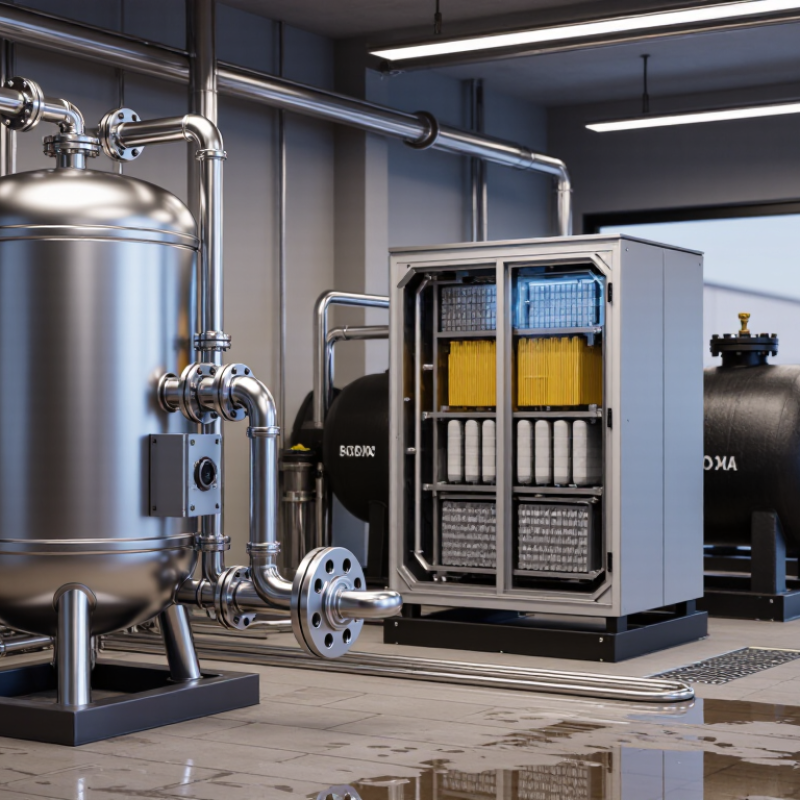
An oil separator is a treatment vessel that removes free oil from wastewater before discharge or reuse. It does not destroy oil. Instead, it slows the flow and gives lighter droplets time to rise. Heavier solids settle in the lower chamber. Baffles, coalescing plates, and a calm hydraulic path improve separation. The U.S. Environmental Protection Agency identifies oil and grease as a common industrial stormwater pollutant, with a 15 mg/L benchmark in its Multi-Sector General Permit.
Sizing depends on flow, oil density, temperature, and droplet size. The petroleum industry’s API 421 guidance emphasizes retention time, surface loading, and effective maintenance. A separator designed for 100 liters per minute may fail during a sudden 400-liter discharge. Small droplets are especially difficult to remove. Coalescing media can help, but clogged plates reduce performance quickly.
In field inspections, sludge depth often causes more trouble than the tank design. Operators should record inlet flow, outlet results, cleaning dates, and visible oil thickness. The European Commission’s Best Available Techniques documents also stress source control and routine monitoring, not separation alone. A separator is not magic. I have seen calculations look correct while actual wastewater stayed cloudy, partly because detergents kept oil emulsified. That weakness deserves honest attention when choosing equipment.
Which Contaminants and Fluids Must the Separator Handle?
Choosing an oil separator starts with the contaminants, not the tank’s advertised capacity. Identify free oil, emulsified oil, grease, suspended solids, and fuel residues. These pollutants behave differently in water. Free oil rises quickly, while emulsions may require coalescing media or chemical support. A separator designed for floating oil alone can disappoint when coolant enters the line. A cloudy sample matters.
Review the actual fluid mixture across normal and peak operating conditions. Record flow rate, temperature, viscosity, pH, and the specific oil density. A workshop drain may carry Hydraulic Oil, metal fines, detergents, and warm wash water. A food-processing drain may contain fats, grease, proteins, and cleaning chemicals. Each combination changes retention time and material compatibility. Ask for laboratory testing when emulsification is uncertain. Guessing is expensive.
In practical equipment reviews, I check samples from different shifts, not one convenient bucket. I also compare inlet conditions with the required discharge quality. The separator must handle the heaviest expected contaminant load without bypassing during surges. Look for accessible sludge removal, inspection ports, and alarms for oil-layer buildup. A unit that captures oil but clogs with solids is not reliable. I would also challenge the original assumptions. Production changes can make yesterday’s sizing wrong.
How to Calculate the Required Separator Capacity
Choosing the right oil separator starts with an honest capacity calculation. Measure the highest expected wastewater flow, not the daily average.
Use the formula:
required capacity = peak flow × safety factor
Peak flow should include simultaneous drains, washdown hoses, and sudden tank discharge.
For example, if a workshop produces 8 liters per second during cleaning, a 1.2 safety factor gives 9.6 liters per second. The selected separator should handle at least this rate. A larger margin may be sensible when flow records are uncertain. However, excessive sizing can reduce separation efficiency and increase installation costs. Bigger is not always better.
Check more than flow alone.
Oil density, wastewater temperature, suspended solids, and cleaning chemicals affect performance. Lighter oils usually require longer retention time. Cold water may slow separation. Heavy solids can reduce effective volume inside the unit. A sediment chamber may be necessary. It is easy to miss this detail.
Keep records for several operating days. Compare meter readings with actual production schedules. A neat spreadsheet can still mislead. Recheck unusual peaks.
Also consider future expansion, maintenance access, and local discharge requirements. Experienced engineers often review the calculation against real site conditions before approval. That final reality check matters.
How to Evaluate Maintenance, Compliance, and Total Cost
Choosing the right oil separator requires more than comparing purchase prices. Maintenance, compliance, and total cost often determine whether the equipment performs reliably over time. A separator should allow easy access to coalescing media, inspection covers, and sludge collection areas. If technicians need special tools, cleaning may be delayed. That delay can reduce efficiency and create avoidable operating problems.
Check the maintenance schedule before approving a model. Ask how often filters, valves, and sensors need inspection. Confirm whether replacement parts are available locally. Review the manufacturer’s service instructions and keep records of inspections, cleaning, and waste handling. Compliance also matters. Verify discharge limits, installation requirements, and monitoring duties with the relevant local authority. Requirements can vary by site and industry. Never rely on a sales claim alone.
Tips: Calculate the five-year cost, not only the purchase price. Include installation, energy use, labor, servicing, replacement parts, disposal, and possible downtime. A low-cost unit may become expensive after several difficult cleanouts. During a site review, measure available space and check pipe access carefully. Small layout mistakes can create large maintenance issues. Also, challenge your own assumptions. We once treated capacity as the main selection factor, but cleaning access proved more important in daily operation. A practical evaluation should compare lifecycle cost, documented performance, and realistic service conditions. Ask for test data, maintenance records, and clear warranty terms before committing.