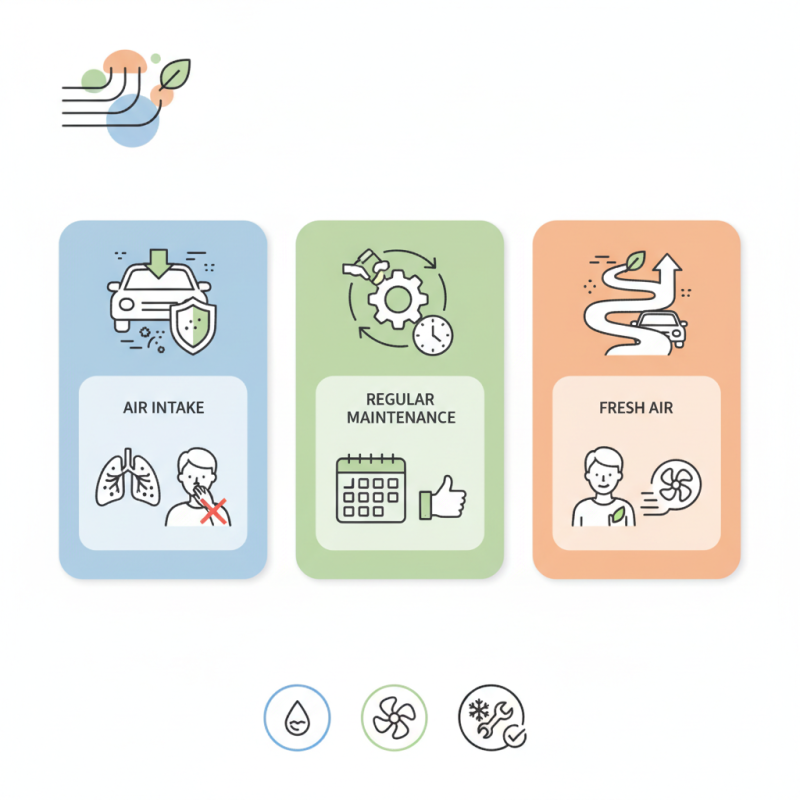
Essential Cabin Filter Tips Every Car Owner Should Know?
The Cabin Filter is often overlooked by many car owners. This small component plays a crucial role in maintaining air quality inside your vehicle.
A clean cabin filter ensures that dust, pollen, and other pollutants do not enter the car. Regularly replacing it can enhance comfort and health while driving. However, not everyone is aware of its importance. Many drivers tend to neglect this maintenance task until issues arise.
Ignoring the cabin filter can lead to unpleasant odors and reduced airflow. It might even affect the performance of the air conditioning system. Understanding the significance of the cabin filter is vital. Small actions can greatly improve your driving experience. Are you doing enough to keep your cabin filter in check?
Understanding the Role of Cabin Filters in Vehicle Maintenance
Cabin filters play a crucial role in vehicle maintenance. They ensure that the air inside your car is clean and safe. A clogged filter can lead to poor air quality. This might even affect your health and comfort while driving. Understanding this importance is the first step.
Regularly checking your cabin filter can prevent issues. Here are some tips: Inspect your filter every 12,000 miles. If you notice debris, it’s time to replace it. Pay attention to any unusual smells inside the car. It might indicate a filter problem. Fresh air should flow freely, and a clean filter helps achieve that.
When changing the filter, ensure you're following the car manual correctly. Some car owners might overlook this step. Also, don’t forget to clean the surrounding area. Dust can accumulate quickly. This maintenance task is often forgotten. Yet, it can significantly impact your driving experience. Taking these small steps can lead to a healthier environment inside your vehicle.
Signs Your Cabin Filter Needs Replacement
A cabin filter plays a crucial role in your vehicle's air quality. Over time, it can become clogged. This can lead to several issues. Recognizing the signs of a failing cabin filter is essential for every car owner.
One major sign is reduced airflow from the vents. If you notice your air conditioning or heater is weak, check the cabin filter. Dust and debris can block airflow. Another indicator is unpleasant odors when you turn on the AC. A stale or musty smell suggests mold growth in the filter. This is a clear sign that it’s time to replace it.
Regular maintenance can prevent these issues. Replace the cabin filter every 15,000 to 30,000 miles. It's a simple process, requiring minimal tools. Inspect it during oil changes or after long trips. Keeping it clean improves air quality inside the car.
Don’t overlook these signs; they affect your driving comfort and health. Regular checks can save you from bigger problems later on.
Step-by-Step Guide to Replacing Your Cabin Filter
Changing your cabin filter can enhance air quality in your car. Follow this step-by-step guide to replace it effectively.
Start by locating your cabin filter. Typically, it’s behind the glove box or under the dashboard. Remove any panels or screws carefully. Keep track of them; losing them can complicate the process. Once you access the filter, note its orientation. The airflow direction is crucial.
When you pull the old filter out, check for dirt and debris. A clogged filter restricts airflow. It’s a good idea to wear gloves. Dust can be irritating. If you notice mold, it may indicate a larger issue with your vehicle’s air system. Clean the area before inserting the new filter.
Tips for maintaining your cabin filter: Regularly
inspect it every few months. If you notice bad odors, it’s time for a change. Avoid cheap filters; they can cause more harm than good. Finally, ensure the filter fits snugly. An improper fit defeats its purpose. Keeping your cabin filter in good shape significantly impacts your driving experience.
Tips for Choosing the Right Cabin Filter for Your Car
When choosing the right cabin filter for your car, consider the type of driving you do. If you frequently drive in urban areas, the filter needs to trap pollutants effectively. Look for filters with activated carbon. They help eliminate odors and improve air quality. It’s worth checking your local air quality reports too. They can impact your filter’s performance.
Check the manufacturer’s recommendations before making a purchase. Sometimes, aftermarket filters may not fit perfectly. You might face issues with air circulation or noise. It's annoying when a filter needs to be replaced right after installation. Take time to measure the filter size. A good fit ensures optimal performance.
While you may think that any filter will do, some can hinder your HVAC system’s efficiency. A poor-quality filter can lead to dust buildup and musty smells. Consider how often you drive. Opt for a more efficient filter if you drive every day. Regular replacements are crucial, especially during allergy seasons. Don’t overlook the need for periodic checks. It can save you money and keep your driving experience comfortable.
Maintaining Clean Air: Benefits of Regular Cabin Filter Checks
Maintaining clean air in your vehicle is essential for comfort and health. A regular check of your cabin filter can significantly enhance your driving experience. This small component blocks dust, pollen, and other pollutants. When it gets clogged, you may notice strange odors or reduced airflow. These signs indicate it’s time to take action.
Here are some tips: Check your cabin filter every six months. If you drive in heavy traffic or dusty environments, do it more often. Replacing the filter is not complicated, but it’s often overlooked. Make sure to keep a record of when you last changed it. This will help remind you of its importance.
A clean cabin filter can improve air quality significantly. This prevents allergens from overwhelming you and your passengers. Breathe easy on your daily commute. However, neglecting this simple task can lead to issues. If you smell something funny or notice the air isn’t fresh, it’s time for reflection. Don't let a small part affect your comfort and health.
Essential Cabin Filter Tips Every Car Owner Should Know
| Tip Number | Tip Description | Frequency of Check | Benefits |
| 1 | Inspect your cabin filter regularly for dirt and debris. | Every 6 months | Improves air quality inside the vehicle. |
| 2 | Replace your cabin filter annually. | Once a year | Ensures optimal HVAC performance. |
| 3 | Check for unpleasant odors when using the AC or heater. | As needed | Helps eliminate mold and bacteria. |
| 4 | Use high-efficiency filters for better filtration. | During replacement | Reduces allergens and particulate matter in the cabin. |
| 5 | Consult your vehicle’s manual for specific recommendations. | At purchase or service interval | Ensures compatibility and adherence to warranty. |