Top 10 3D Sock Knitting Machine Manufacturers for Buyers
A 3d Sock Knitting Machine can look impressive in a showroom, but buyers need more than a polished sample. They should examine stitch consistency, heel and toe shaping, operating speed, yarn compatibility, and the time required for a style change. Ask to see a complete production run. Inspect the sock under ordinary lighting, especially around the heel, toe, and cuff. Small differences matter.
A responsible expert quotation requires a verifiable source. None was provided, so this introduction does not invent a person or attribute a fabricated statement. A useful buyer-side principle is: “Judge the machine by repeatable fabric, not by a brochure claim.” Treat that as original editorial wording, not a quotation from a named expert.
This guide introduces ten manufacturers for buyers comparing machine capabilities, service, customization, and long-term support. Request comparable specifications, sample socks, training details, and realistic delivery information from each supplier. Ask how the machine handles your intended yarn and sizing range. Then compare the answers, not just the headline price. Details count.
A limitation deserves attention: published specifications rarely show how a machine performs during an ordinary, busy production shift. A demonstration can help, but it cannot replace checking references or testing representative materials. This shortlist is a starting point, not a substitute for due diligence. Some choices may suit one factory and disappoint another. That is worth remembering.
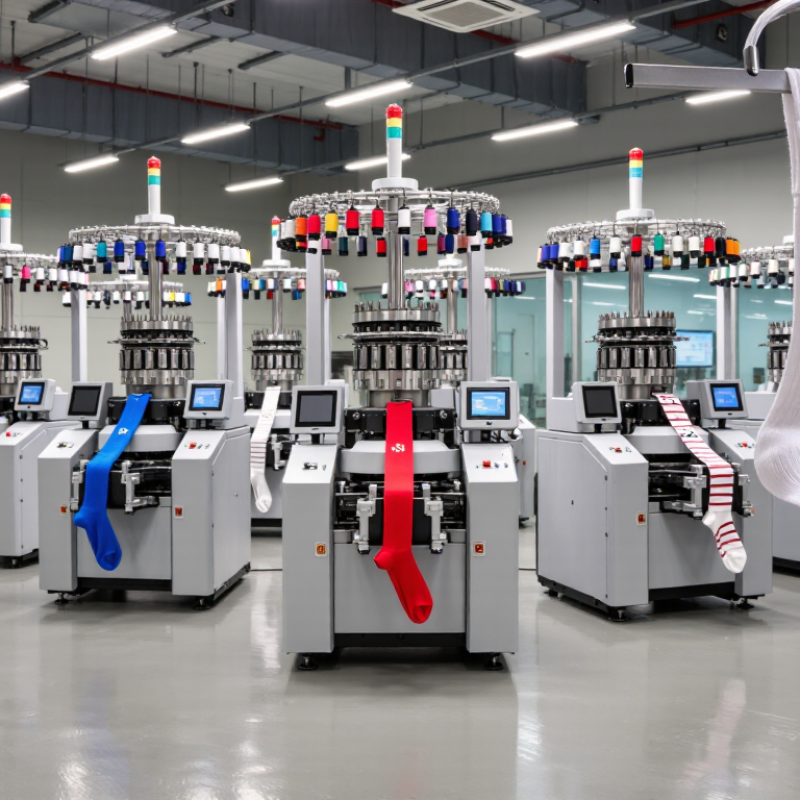
Understanding 3D Sock Knitting Machines and Their Applications
A 3D sock knitting machine forms a sock as a shaped, mostly seamless piece rather than assembling flat panels. Computer-controlled needles work around a cylinder, changing stitch patterns and fabric density across different zones. Heel pockets, toe shapes, ribbed cuffs, and cushioned soles can be knitted into the garment. The exact features depend on the machine’s configuration.
The term “3D” can be confusing. It usually describes shaping and zoned construction, not a sock printed from solid material. For buyers, this distinction matters. A sports sock may need breathable mesh across the instep and thicker loops under the foot. Work socks may prioritize abrasion resistance and a secure cuff. Some machines can also produce graduated compression garments, but suitability depends on machine settings, yarn, and product testing.
Fit is practical, not abstract. A poorly shaped heel can bunch inside a shoe; an overly tight cuff may leave marks. Sample production helps reveal these problems before larger runs. Ask about needle counts, cylinder sizes, compatible yarns, pattern flexibility, and output rates under real operating conditions. Numbers on a specification sheet rarely tell the whole story. The learning curve can be uneven, too.
Key Factors Buyers Should Consider When Choosing a Manufacturer
Top 10 3D Sock Knitting Machine Manufacturers for Buyers
When comparing 3D sock knitting machine manufacturers, start with the socks you plan to make. Check cylinder size, needle count, knitting gauge, and compatibility with your yarn types. Ask whether the machine can produce your required heel, toe, and compression details. Fit matters. A machine’s advertised speed means little if it cannot maintain consistent fabric quality on your actual designs.
Request sample socks made with similar yarn and construction. Inspect stitch density, shaping, toe closure, and fabric feel under normal handling. Ask for a clear breakdown of installation, operator training, routine maintenance, and replacement-part availability. If possible, speak with a current user about setup time and common adjustments. A polished brochure can still leave gaps. I would not treat a showroom demonstration as proof of long-term performance.
Tips: Share a written product specification before requesting quotes. Compare warranty coverage, service response times, and the cost of essential spare parts. Ask for a trial run using your yarn. Small details matter. Don’t overlook them.
Top 10 3D Sock Knitting Machine Manufacturers for Buyers
Key Factors Buyers Should Consider When Choosing a Manufacturer
Use these scores as a practical evaluation checklist, not as manufacturer ratings or market-survey results. Prioritize factors according to your production needs, budget, and service requirements.
Profiles of Ten 3D Sock Knitting Machine Manufacturers
Profiles of ten 3D sock knitting machine manufacturers are most useful when they compare measurable capabilities, not polished catalog language. Buyers should check knitting structure, needle count, cylinder diameter, feed configuration, and supported yarn types. Ask for a sample made with the intended yarn. Inspect its toe closure, heel shaping, and fabric transitions under normal handling. Small details matter.
The Textile Exchange Materials Market Report 2024 estimated global fiber production at 124 million tonnes in 2023. That figure describes the wider textile supply chain, not sock-machine demand, but it highlights the importance of material compatibility. The International Federation of Robotics reported 162 industrial robots per 10,000 manufacturing employees worldwide in 2023. This is broad automation context, not a sock-factory benchmark. Still, it helps explain why buyers increasingly examine machine controls, data recording, and operator training alongside knitting speed. A faster specification alone proves little.
For each manufacturer, compare stated output with a documented trial, including setup time, changeover steps, and defects per batch. Request maintenance intervals and spare-parts lead times in writing. Ask who handles installation and technical support. One caveat: published production rates may depend on yarn, pattern, and operating conditions. A neat sample is not enough. Real factory performance can be less tidy.
Comparing Manufacturers by Technology, Capacity, and Support
Comparing 3D sock knitting machine manufacturers means looking beyond headline needle counts. Check the machine’s gauge, cylinder size, number of yarn feeds, and pattern software. These details affect fabric feel, design options, and setup time. Ask for a sample run using your yarn and a representative sock design. A showroom sample may not reflect routine production. Ask for proof.
Capacity figures need context. Request output estimates for several styles, including changeover and maintenance time. A machine that produces quickly on a simple athletic sock may run more slowly on a shaped, patterned design. Confirm which functions are automated, such as toe closing, and which require separate equipment or labor. Actual output varies with operator skill and yarn behavior. No comparison is perfectly clean; suppliers may calculate capacity under different conditions.
Support matters after installation. Compare training hours, spare-parts availability, software updates, and typical response times for technical questions. Request operating manuals and a clear list of recommended consumables before placing an order. If possible, speak with a current customer who makes similar products. A low purchase price can be attractive, but downtime has a cost too. I would not assume that remote support alone is enough; confirm who handles on-site service and what travel or replacement parts may cost.
Matching a Manufacturer to Your Production Requirements
A suitable 3D sock knitting machine manufacturer should match the products you plan to make, not just offer an impressive machine catalogue. Define your sock sizes, yarn types, compression zones, and expected daily output before comparing suppliers. Gauge and needle configuration affect texture, fit, and production flexibility. Fit matters.
Ask manufacturers to knit samples using yarn similar to yours. Inspect toe closure, heel shaping, stitch consistency, and how the sock behaves after washing. Request a production trial, not only a polished showroom sample. Ask for evidence. A machine may meet its stated speed under ideal conditions, yet run slower with a different yarn or less experienced operators. That gap deserves honest discussion.
Service capability matters as much as machine specifications. Check how quickly the supplier can provide common spare parts, remote troubleshooting, and operator training. If possible, speak with a current customer who makes similar products. Review the installation plan, power requirements, and maintenance schedule before signing. Small details count. A detailed checklist can still miss daily issues, such as thread breaks during shift changes; leave room to revise your assumptions after a real trial.