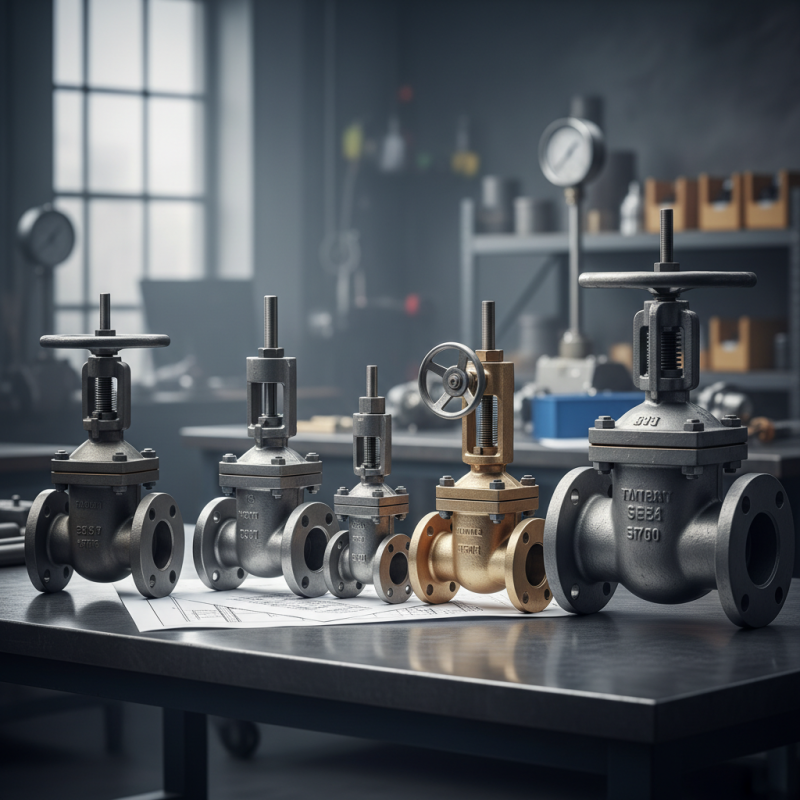
Top 5 Gate Valve Types You Should Know About?
Gate Valves play a critical role in various industries. According to John Carter, a veteran in the valve industry, "Selecting the right gate valve can make all the difference." This statement encapsulates the importance of understanding different types of gate valves.
Gate valves are designed for on/off control. They provide minimal flow resistance when fully open. Each type serves unique applications, from water systems to oil pipelines. However, choosing the wrong type can lead to costly failures. Many engineers overlook details like pressure ratings and material compatibility.
Understanding the top five gate valve types is essential. Each one has its strengths and weaknesses. This knowledge can enhance system efficiency. Yet, mistakes in selection can happen. Even experienced professionals must continually assess their choices. The landscape of gate valves is vast, and staying updated is critical.
Types of Gate Valves: An Overview of Their Functionality
Gate valves are essential in controlling fluid flow in various piping systems. They are designed to either fully open or fully close, which distinguishes them from other types of valves. A gate valve operates with a sliding gate mechanism, which can be either wedge-shaped or parallel. This design allows for minimal flow resistance when the valve is open.
There are several types of gate valves, each with unique functionality. The wedge gate valve is the most common, offering a tight seal. Parallel gate valves, on the other hand, provide better sealing properties at low pressure. Globe valves are sometimes mistaken for gate valves, but they excel in throttling applications. It’s worth noting that not all gate valves perform well in every situation, and their efficiency can vary based on the fluid type. This variability often leads to operational challenges that require careful consideration and adjustment.
Understanding the nuances of each type of gate valve is important. While they may seem straightforward, misapplications can hinder performance. Some users face difficulties when dealing with larger valves, which may require more force to operate. This can lead to wear over time. It's crucial to reflect on these aspects to ensure optimal valve selection for specific needs.
Wedge Gate Valve: Design and Applications
Wedge gate valves are essential in various industries due to their design and reliability. Typically, they feature a solid wedge that fits tightly against the valve seat when closed. This design provides excellent sealing properties and minimal leakage. According to a report by Global Market Insights, the demand for gate valves, including wedge types, is expected to grow significantly, driven by infrastructure development and oil and gas projects.
Wedge gate valves are commonly used in water supply systems and petroleum industries. Their ability to handle high pressure and temperature makes them suitable for critical applications. The American Society of Mechanical Engineers (ASME) highlights that proper installation is crucial. Misalignment during installation can lead to sealing issues. Also, the valve’s long-term durability may be affected if subjected to vibrations.
Users must understand the maintenance needs of wedge gate valves. Regular inspections can prevent leaks and operational failures. Some facilities report that minor issues, if ignored, could lead to major breakdowns. Thus, a proactive approach is recommended. The design of wedge gate valves offers advantages, but it also requires thoughtful implementation to avoid pitfalls.
Top 5 Gate Valve Types You Should Know About
This chart illustrates the application rates of the top five types of gate valves. Wedge gate valves are primarily used, followed by parallel and rising stem types, showcasing their importance in various industrial applications.
Parallel Gate Valve: Advantages and Uses
Parallel gate valves are essential in various industries. They excel in applications where tight sealing is crucial. Their unique design allows for better flow control compared to traditional gate valves. Smooth and parallel closing faces create minimal turbulence. This leads to effective operation in both high and low-pressure systems.
One significant advantage of the parallel gate valve is its ability to handle larger diameters. In many cases, this makes them preferable for heavy-duty applications. However, they are not without drawbacks. Maintaining the seals and surfaces can be a challenge. Over time, wear and tear might impact functionality. Regular inspection is vital to ensure optimal performance.
These valves find their place in water treatment plants and chemical processing. They also serve well in mining and oil extraction. In these environments, reliability cannot be overstated. Users must weigh the benefits against potential complications. Understanding operational limits is essential, as is regularly reviewing performance metrics. This ensures a balance between efficiency and long-term maintenance.
Rising Stem vs. Non-Rising Stem Gate Valves
Gate valves are essential in various piping systems. They help control the flow of liquids and gases. Two common types are rising stem and non-rising stem gate valves. Each has unique features that suit different applications.
Rising stem gate valves have a stem that moves upward when the valve opens. This design allows for visual confirmation of the valve's position. You can easily tell if it is open or closed. However, this type needs more space. If space is limited, this might not be the best choice. Maintenance can also be tricky due to the exposed stem.
Non-rising stem gate valves, on the other hand, do not have a visible stem movement. These valves save space. They are ideal for underground installations where accessibility is a concern. However, the lack of visibility can be a disadvantage. Operators may face difficulty knowing the valve's status. It requires careful monitoring. The decision between the two types often hinges on specific application needs and environmental considerations.
Electric and Pneumatic Gate Valves: Mechanisms and Benefits
Electric and pneumatic gate valves play a crucial role in various industrial applications. They offer efficient control over fluid flow. Electric gate valves are powered by electric actuators. They provide precise control and can easily be integrated into automated systems. With simple on-off operation, they excel in applications where consistent flow is essential.
Pneumatic gate valves utilize compressed air for operation. They can respond quickly to control signals. This speed can be beneficial in dynamic environments. However, pneumatic systems require a reliable air supply.
If the air source fails, the valve may remain stuck. This can lead to operational challenges and downtime.
Each type has its pros and cons. Electric valves may have higher installation costs but offer better control. Pneumatic valves may be quicker but can be less precise. Users must weigh these factors carefully.
The choice depends on the specific needs of the application and the operational environment. It's important to reflect on these aspects before making a decision.
Conclusion
Gate valves are essential components in fluid control systems, offering reliable functionality across various applications. This article explores five prominent types of gate valves, highlighting their unique designs and uses. The wedge gate valve, known for its effectiveness in providing a tight seal, is ideal for high-pressure applications. In contrast, the parallel gate valve allows for smoother flow and is favored in certain industrial settings.
Additionally, the discussion covers the differences between rising stem and non-rising stem gate valves, emphasizing their operational characteristics. Electric and pneumatic gate valves are examined for their innovative mechanisms, offering enhanced control and efficiency. Lastly, the comparison of materials like steel, brass, and PVC illustrates how the choice of material can impact performance and suitability for specific environments. Overall, understanding these gate valve types equips users with the knowledge to select the right valve for their needs effectively.