Top Post Hole Shovel Manufacturers for Global Buyers
Choosing the right Post Hole Shovel is a practical decision for farmers, landscapers, contractors, and international distributors. A reliable tool must cut compacted soil, remove stones, and remain comfortable during repeated use. Global buyers also examine handle strength, blade thickness, coating quality, packaging, and replacement support. These details often separate a dependable manufacturer from a factory that only offers attractive catalog photographs.
James R. Carter, an agricultural-tool design consultant with more than two decades of field experience, says, “A post hole shovel earns trust through balance, not appearance alone.” That observation deserves attention. A balanced shovel reduces wrist strain when workers deepen narrow holes. It also gives better control in damp clay or dry, gravelly ground. Yet product comparisons are not always perfect. Published specifications may omit welding details, steel grades, or real-world fatigue performance. Buyers should ask for samples, inspection records, load testing, and clear warranty terms.
Small details matter.
This guide examines leading Post Hole Shovel manufacturers serving global buyers. It considers manufacturing experience, material consistency, ergonomic design, production capacity, export readiness, and customer feedback. The strongest suppliers may not always be the cheapest. Some offer excellent engineering but limited customization. Others provide flexible private labeling but inconsistent finishing between batches. Careful evaluation remains necessary, especially when tools will be used across different soils, climates, and work schedules. A trustworthy supplier explains limitations openly and supports claims with evidence. That is where professional judgment begins.
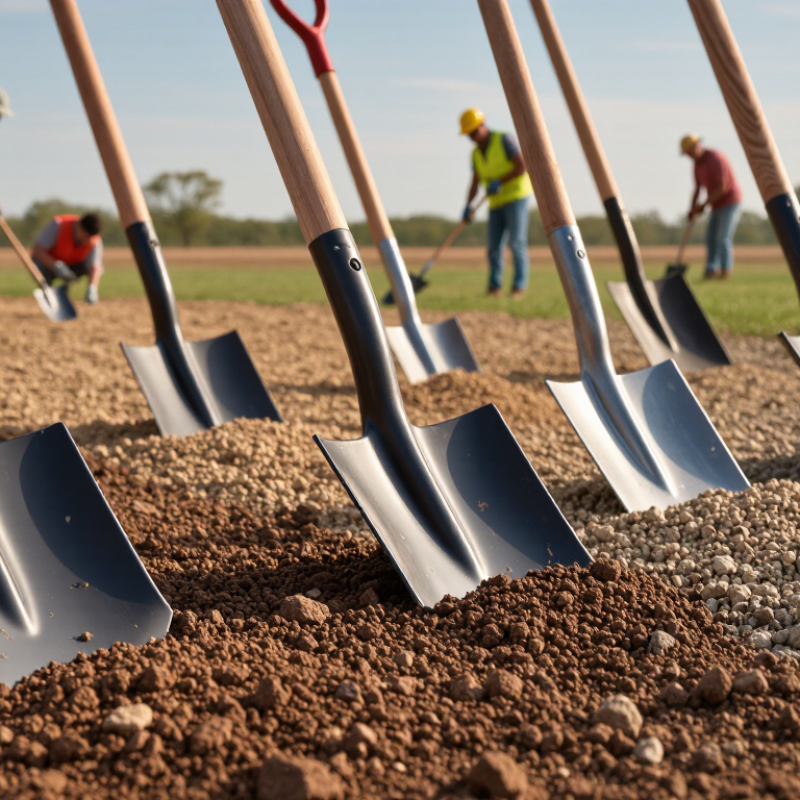
What Defines a Reliable Post Hole Shovel Manufacturer
A reliable post hole shovel manufacturer proves its claims through consistent field performance. Experienced buyers should examine the blade steel, shaft strength, grip comfort, and joint construction. A shovel used in hard clay should not flex noticeably after repeated digging. Welds must look even, without sharp edges or visible gaps. Handles should resist moisture, impact, and seasonal temperature changes.
Manufacturers with professional quality systems usually provide clear material specifications, inspection records, and practical testing details. They should explain how each production batch is checked. Independent certifications can support trust, but they do not replace hands-on evaluation. No supplier gets every detail right. A careful manufacturer admits limitations and improves weak points instead of hiding them.
Tips: Request samples from the same production line. Test them in dry soil, wet clay, and gravelly ground. Check the tool after fifty digging cycles. Ask about replacement parts, packaging strength, and warranty response times. Small details matter.
Global buyers also need dependable communication. Product dimensions, weight, coating, carton quantities, and loading limits should be documented clearly. A manufacturer that answers quickly but vaguely may create costly misunderstandings later. Reliable partners use stable lead times and report delays before shipment. I would still verify every promise with records, not friendly assurances. In practice, trust grows from repeatable results, transparent corrections, and tools that remain comfortable after a long day.
Key Manufacturing Standards and Product Quality Factors
Top Post Hole Shovel Manufacturers for Global Buyers
Key Manufacturing Standards and Product Quality Factors
Reliable post hole shovel manufacturing begins with controlled materials and repeatable production. Carbon steel blades should have consistent thickness, clean edges, and suitable hardness. Too soft, and the blade bends in compact soil. Too hard, and it may chip under impact. Manufacturers should provide material records, dimensional checks, and batch-based inspection reports.
Weld quality matters. Look for even beads, full joints, and handles aligned with the blades. Loose hinges or poorly fitted pivots can make digging tiring and unsafe. Powder coating or galvanizing helps resist moisture, but surface appearance alone proves little. A polished coating can hide weak preparation underneath. Buyers should request salt-spray data, coating thickness results, and corrosion test methods.
Handle design also affects field performance. Fiberglass or hardwood handles need controlled moisture levels, smooth surfaces, and secure connections. Grip diameter should suit extended use, especially on rocky ground. Factory testing should include opening cycles, load resistance, and drop checks. Packaging deserves attention too; bent blades often result from poor transport protection. I have found that inspection documents can look complete while sampling remains too limited. Independent verification is worthwhile. Small gaps in quality control can become expensive failures across a large shipment.
Leading Post Hole Shovel Manufacturers for Global Buyers
Leading post hole shovel manufacturers for global buyers combine practical design knowledge with dependable production controls. Their tools should cut through packed soil, clay, and gravel without excessive bending. Experienced manufacturers study handle length, blade shape, grip comfort, and connection strength during field testing. A shovel that feels balanced at a worksite can reduce fatigue after dozens of holes.
Look for manufacturers with clear material specifications and repeatable inspection procedures. High-carbon steel blades may improve edge retention, while reinforced sockets can withstand twisting pressure. Powder-coated surfaces can help resist moisture, but coating quality still needs inspection. Ask for dimensional tolerances, load-test details, packaging standards, and available replacement parts. Small details matter.
Factory experience matters too. Reliable suppliers usually provide production samples before large orders and explain changes openly. They should understand different soil conditions, climate demands, and regional handling practices. However, no manufacturer gets every detail right. A catalog image can hide a weak weld or an uncomfortable grip. Buyers should test samples, review inspection records, and compare actual performance. That extra step may feel slow. It often prevents costly returns, damaged shipments, and disappointed users. Long-term cooperation depends on honest communication, stable quality, and practical evidence rather than impressive claims.
How to Compare Suppliers, Prices, and Customization Options
Top Post Hole Shovel Manufacturers for Global Buyers
Comparing suppliers starts with measurable details, not polished catalog photos. The U.S. Census Bureau reported over $2 trillion in annual construction spending during 2024. That scale increases demand for durable, repeatable hand tools. Ask each manufacturer for steel grade, blade thickness, handle material, net weight, and load-test records. A shovel that feels balanced at a fence line saves energy after the fiftieth hole. Small details matter.
Prices should be compared by landed cost. Request unit pricing at three quantities, then add packaging, freight, duties, and inspection fees. UN Comtrade trade data shows metal hand-tool shipments move through complex international supply chains. Freight changes can erase a low factory quote. I once treated a cheaper offer as better. That was careless. The final cost included thicker export cartons and higher breakage risk.
Customization needs a written specification. Confirm blade shape, handle length, grip texture, coating, logo placement, carton artwork, and acceptable tolerances. The ISO Survey 2023 recorded more than one million valid ISO 9001 certificates worldwide, but certification alone does not prove shovel quality. Request a recent inspection report and production sample. Compare sample weight with the approved drawing. A two-millimeter difference can affect digging comfort. Also check replacement-handle availability and defect remedies. Some buyers focus too heavily on color. Field performance deserves more attention.
Global Sourcing, Shipping, and Supplier Verification Steps
Global sourcing of post hole shovels requires more than comparing online quotations. Shortlist suppliers with verifiable factory addresses, registration records, and export experience. Request product drawings, steel specifications, handle materials, and recent inspection records. A video call should show the production line, not only a polished showroom. Send a sample to test blade thickness, weld strength, grip comfort, and packaging damage. Small inconsistencies often reveal weak process control.
Shipping planning should begin before the purchase order. UNCTAD’s Review of Maritime Transport 2024 states that over 80% of global merchandise trade moves by sea. Therefore, confirm the correct HS classification, carton dimensions, gross weight, pallet requirements, and loading photos. Compare Incoterms carefully, because freight, insurance, customs clearance, and destination charges may shift between parties. The World Bank’s 2023 Logistics Performance Index assessed 139 countries across customs, infrastructure, tracking, and timeliness. These factors deserve attention when selecting a shipping route and local broker.
Supplier verification should continue after sampling. Use an independent pre-shipment inspection for quantity, coating, labels, dimensions, and carton strength. Match the inspection report against the purchase contract. A spreadsheet can still lie. I would also request production photos with visible dates and random carton numbers. Payment milestones should reward approved quality, not merely factory completion. Some buyers focus too heavily on unit price; that habit can create expensive delays, damaged tools, or inconsistent batches.