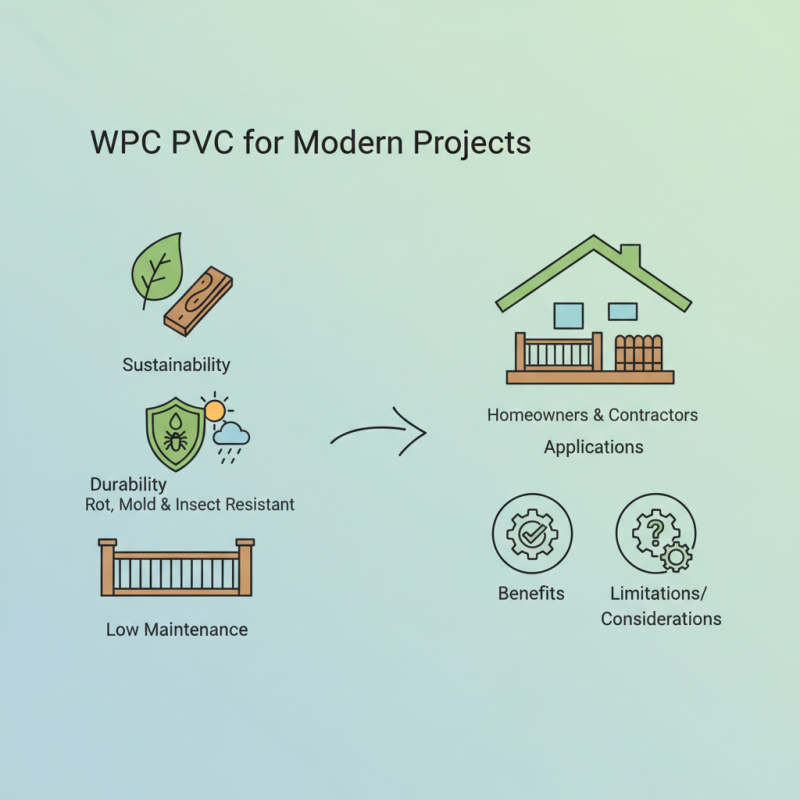
Why Choose WPC PVC for Your Next Project?
Choosing the right materials for your next project is crucial. Wpc Pvc offers a compelling choice for those looking for durability and aesthetics. This innovative material combines the strength of wood with the resilience of plastic. As modern building trends shift toward sustainable options, WPC PVC stands out.
Many homeowners and contractors are realizing the benefits of WPC PVC. It can withstand the elements better than traditional wood. It's resistant to rot, mold, and insects. Imagine a deck that looks great year-round without much maintenance. That is the power of WPC PVC.
Yet, it's essential to consider its limitations. While WPC PVC is excellent for many applications, it may not suit every project. Reflecting on these factors can help ensure a successful outcome. Ultimately, WPC PVC presents an opportunity to create beautiful, lasting spaces.
Benefits of WPC PVC in Construction and Design
WPC PVC, or Wood Plastic Composite Polyvinyl Chloride, is gaining traction in modern construction and design. This material boasts a unique combination of wood and plastic, offering durability and aesthetic appeal. Many builders appreciate its resistance to moisture and pests. It doesn't warp or splinter easily, making it safer for outdoor use. Instead of traditional wood, WPC PVC can provide a longer-lasting solution, though it’s essential to choose quality options.
Architects often praise WPC PVC for its versatility. It can be crafted into various shapes and colors, suiting different design styles. Additionally, this material can mimic the look of natural wood while offering enhanced strength. However, not all WPC PVC products are created equally. Some might not offer the color retention that homeowners expect over time. It’s important to do thorough research before selecting materials for a specific project.
Sustainability is another compelling reason to consider WPC PVC. Many products incorporate recycled materials, reducing waste. This aligns with a growing trend towards eco-friendly construction. Yet, it’s wise to assess the environmental impact throughout the product's lifecycle. While WPC PVC presents significant advantages, ongoing developments in this field mean there’s always room for improvement. Experimenting with these materials can yield surprising results, pushing the boundaries of design and construction.
Why Choose WPC PVC for Your Next Project? - Benefits of WPC PVC in Construction and Design
| Benefit | Description | Applications |
| Durability | Resistant to rot, decay, and insect damage. | Outdoor decking, fencing, and furniture. |
| Low Maintenance | Requires only occasional cleaning and no sealing or staining. | Residential and commercial applications. |
| Eco-Friendly | Made from recycled materials and recyclable at the end of life. | Sustainable building projects. |
| Aesthetic Variety | Available in various colors, textures, and finishes. | Design-driven projects, landscaping, and home building. |
| Weather Resistance | Withstands extreme weather conditions without fading or warping. | Coastal areas and any climate-sensitive installations. |
Comparison of WPC PVC with Traditional Materials
When comparing WPC PVC to traditional materials, several distinct advantages emerge. WPC PVC, or Wood-Plastic Composite Polyvinyl Chloride, represents a fusion of wood fibers and recycled plastics. This blend offers enhanced durability compared to natural wood, which can warp or rot over time. WPC PVC maintains its integrity under various weather conditions, ensuring longevity for outdoor projects.
In contrast, traditional materials like wood require regular maintenance. They often need repainting, sealing, or replacement due to wear and tear. WPC PVC requires minimal upkeep, saving both time and money in the long run. Additionally, it is resistant to insects and fungi, further reducing the likelihood of damage. This low-maintenance aspect is appealing for homeowners and builders alike.
Despite these benefits, potential users should consider the environmental impact. While WPC PVC utilizes recycled materials, its plastic content raises concerns about sustainability. The production process can also be energy-intensive. Reflecting on these aspects encourages a more mindful approach to material selection. Balancing durability with environmental responsibility remains a challenge in modern construction practices.
Environmental Impact of Using WPC PVC
WPC PVC, a combination of wood fibers and plastic, is gaining popularity. One reason is its reduced environmental impact compared to traditional materials. The production of WPC PVC generates fewer greenhouse gases. This can help mitigate climate change.
Using WPC PVC means less deforestation. Traditional wood products require vast amounts of trees. In contrast, WPC PVC incorporates recycled materials. This approach not only conserves forests but also minimizes waste. However, not all manufacturers maintain high environmental standards. It’s essential to research suppliers before choosing WPC PVC.
Another consideration is the longevity of the material. WPC PVC is resistant to rot and insects. Unlike wood, it requires less maintenance over time. Yet, the plastic content raises questions about recyclability. While some facilities accept WPC PVC, many do not. Buyers should ask about end-of-life options. While WPC PVC presents advantages, understanding its full impact is crucial.
Applications of WPC PVC in Various Projects
Wood-Plastic Composite (WPC) and Polyvinyl Chloride (PVC) materials have gained significant traction in various industries. These materials serve a wide range of applications, making them popular choices for construction and remodeling projects. According to a recent study by Research and Markets, the WPC market is expected to grow at a compound annual growth rate (CAGR) of 11.7% from 2023 to 2028.
In outdoor settings, WPC and PVC materials are frequently used for decking and fencing. Their resistance to moisture, decay, and insects makes them ideal for these applications. In fact, WPC decking has shown to last up to three times longer than traditional wood decking. This durability, however, may come at the cost of being less biodegradable, which is a point of concern for environmentally conscious consumers.
Additionally, WPC and PVC are gaining popularity in commercial spaces, such as retail and office environments. They are being utilized for wall coverings and furniture, offering a sleek, modern aesthetic. A report by Grand View Research indicates that the global market for PVC materials in construction is expected to reach $80 billion by 2027. Despite their advantages, some challenges remain, such as the higher initial costs compared to standard materials. This raises questions about cost-effectiveness in the long run.
Overall, the diverse applications and growing market demonstrate the potential of WPC and PVC in various projects while highlighting the need for careful consideration of their ecological impacts.
Cost Efficiency of WPC PVC Over Time
When considering materials for construction, WPC PVC stands out for its long-term cost efficiency. Unlike traditional materials, WPC PVC requires less maintenance. Over time, this translates into significant savings. You won’t need to spend money on regular treatments or repairs. Many homeowners appreciate this aspect, as it eases budgeting for future needs.
Installing WPC PVC can reduce waste production and labor costs. Material durability means fewer replacements are needed. Consider a deck made from WPC PVC; it stays resistant to moisture and pests. The initial investment may seem higher than wood, but the longevity of WPC PVC often offsets that upfront cost. It's a choice that proves wise over time.
Some homeowners may grapple with the idea of using new materials. Understanding performance and longevity can be challenging. It’s essential to research and analyze the options carefully. The shift to WPC PVC can feel daunting, but the financial benefits often justify the transition. Embracing innovative materials is part of adapting to modern construction.